Nilgiri Tahr
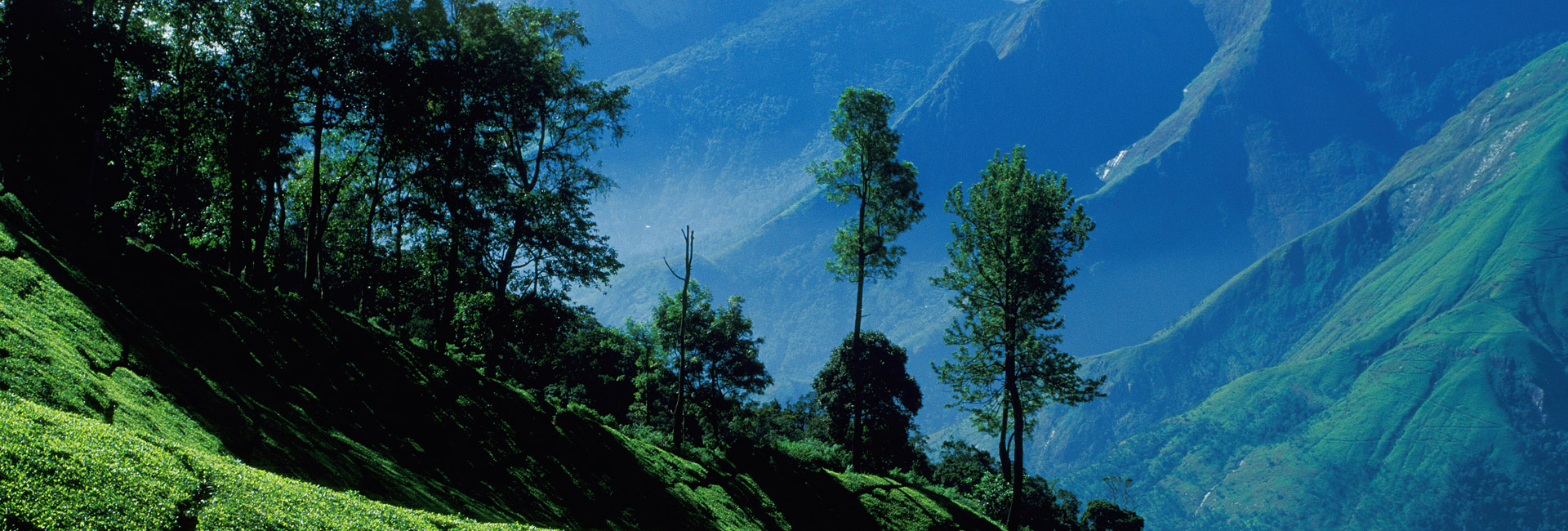
The Nilgiri Tahr (Nilgiritragus hylocrius, former name is Hemitragus hylocrius) is an endangered mountain ungulate endemic to the southern part of the Western Ghats. The species is found in a roughly 400 km stretch in the Western Ghats which falls in the states of Kerala and Tamil Nadu. The local distribution of the species is attributed to the animal’s preference for the habitat with grasslands with steep rocky cliff shelters.
The Eravikulam National Park has the highest density and largest surviving population of Nilgiri tahr.
The Nilgiri tahr was formerly called Hemitragus hylocrius. Its generic name was changed to Nilgiritragus after the phylogenic research by Ropiquet and Hassanin in 2005.
The Nilgiri tahr is a congener of the Himalayan tahr (Hemitragus jemlahicus), found in Kashmir and Bhutan and the Arabian tahr (Arabitragus jayakari), found in Oman and United Arab Emirates. The Nilgiri tahr is one of the few species of mountain Caprinae, and the only Tahr, which is adapted to a cold and wet tropical environment. The species is diurnal, but are most active grazing in the early morning and late afternoon.
TaxonomyKingdom – Animalia
Phylum – Chordata
Class – Mammalia
Order – Cetartiodactyla
Family – Bovidae
Scientific Name – Nilgiritragus hylocrius
Species Authority – Ogilby, 1838
Common Name/s – Nilgiri Tahr (English), Varayadu (Malayalam), Varaiaadu (Tamil)
Synonym: Hemitragus hylocrius (Ogilby, 1838)
ReproductionA grown-up male is known as 'saddle back'. The male would be bigger and darker than the female and has a silvery saddle like patch on its back. Mating takes place during the monsoon season and calving is during January-February. The female gestates for about 180 days and usually gives birth to one kid per pregnancy. Sexual maturity is achieved at around three years of age. The average life expectancy for Nilgiri tahr in the wild is estimated to be only three or 3.5 years although the potential life span is at least 9 years.
ConservationHabitat loss and poaching are the two major threats to the Nilgiri Tahr. Conservation efforts have been on for quite a long time and the numbers have recovered dramatically from around 1,000 in 1970 to around 2,600 in 2010. It is an endangered mountain ungulate listed in Schedule-I of the Indian Wildlife (Protection) Act 1972. The IUCN lists Nilgiri Tahr as ‘endangered’ in the Red List 2010.
In the past, the area of distribution of the Nilgiri tahr extended to the high hills of Tamil Nadu in the east, to the South-Western hills of Karnataka in the north and to the Wayanad plateau in the west. Today, this area has shrunk to around 400 km. And currently, Eravikulam National Park and the Grass Hills of Anamalai are the only locations which have a population with more than 300 individuals.