Loading...
Loading...
Loading...
Loading...
Loading...
Loading...
The road to Amboori winds past plantations and green valleys before reaching a village tucked into the southern reaches of the Western Ghats. About 38 km from Thiruvananthapuram, Amboori is a landscape shaped by the Neyyar Reservoir, generations of farming communities and stories that linger in its hills. There is little rush here. The countryside invites you to take the longer road, pause by the water and look beyond the familiar.
Mayam Kadavu and the Neyyar Reservoir
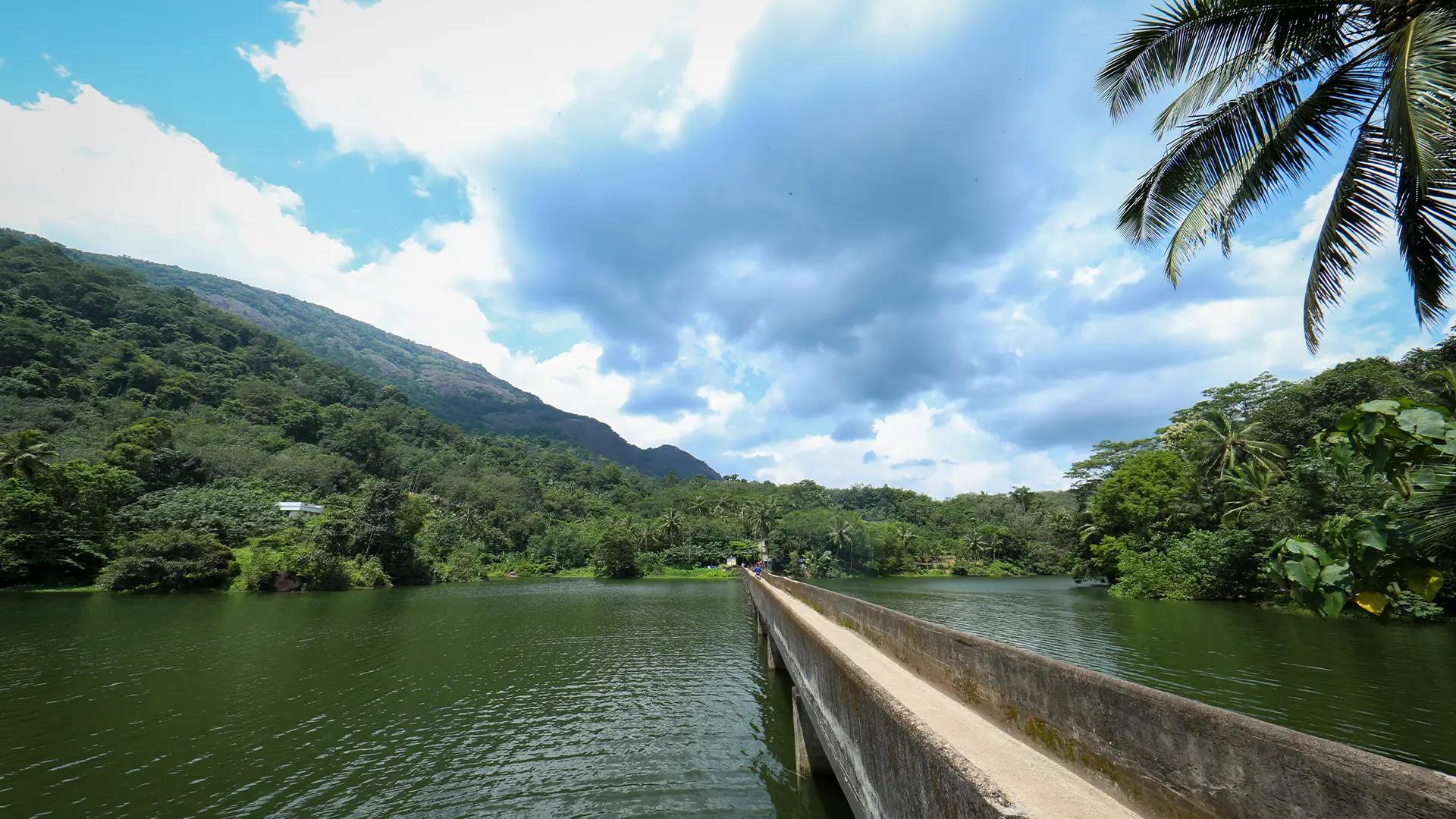
At Mayam Kadavu, the landscape opens towards the waters of the Neyyar Reservoir. Wooded slopes frame the water, and boat crossings offer a closer look at this beautiful stretch of the countryside. Small eateries run by women from nearby communities add a local flavour to the visit, serving familiar dishes and freshly prepared food.
The experience is best enjoyed at an unhurried pace. Boat services and other activities are subject to weather and local conditions, particularly during heavy rain. Check availability with local sources before travelling.
Koonichimala and the Surrounding Hills
For those drawn to the hills, Koonichimala offers a hiking trail through the vegetation of the southern Western Ghats. The walk provides an opportunity to experience the region beyond its roads and settlements. Recognising Amboori's potential as a nature-based tourism destination, the Department of Tourism has plans to develop its scenic areas and strengthen its appeal to visitors.
Dravyappara: A Hill with a Story
Some of Amboori's most intriguing stories belong to its hills. Dravyappara, a rocky outcrop in the region, is associated with Marthanda Varma, the ruler of Travancore. Local tradition holds that he sought refuge here while escaping his enemies. Seventy-two steps carved into the rock lead towards a cave shrine near the summit.
Whether history or legend, the story has endured in local memory, giving this rocky landmark a place in the cultural landscape of Amboori.
People, History and Agriculture
Amboori is also part of the ancestral landscape of the Kanikkar, an indigenous Adivasi community with deep connections to the forests and hills of the southern Western Ghats. Their knowledge of the local environment and medicinal plants forms an important part of the region's cultural heritage.
The village's history also reflects later waves of settlement. Christian farming families migrated here from central Travancore in the years following the Second World War. The construction of the Neyyar Reservoir subsequently transformed the landscape and displaced communities from parts of the surrounding region.
Agriculture continues to shape everyday life in Amboori. Rubber, coconut and pepper are among the crops grown here, alongside herbs and medicinal plants. Visitors interested in local farming practices can seek out experiences with local hosts, with prior permission before entering private farms.
Best Time to Visit
October to March is generally comfortable for exploring Amboori. The monsoon turns the countryside lush, but heavy rain can affect roads, walking routes and boat services. Check local conditions and confirm the availability of activities just before travelling.
These digital guides serve as invaluable tools for travellers planning their Kerala vacations.
Here's a wide range of accredited hospitality services available in Amboori.
Your safety is our top priority: Choose from a select group of accredited adventure tour operators for an unforgettable experience.
Also, do not miss out on these Places of Interest
Looking for nearby destinations? Check-out these!
Amboori