Loading...
Loading...
Loading...
Loading...
Loading...
Loading...
Loading...
Loading...
Loading...
Loading...
Loading...
Loading...
Loading...
Loading...
Loading...
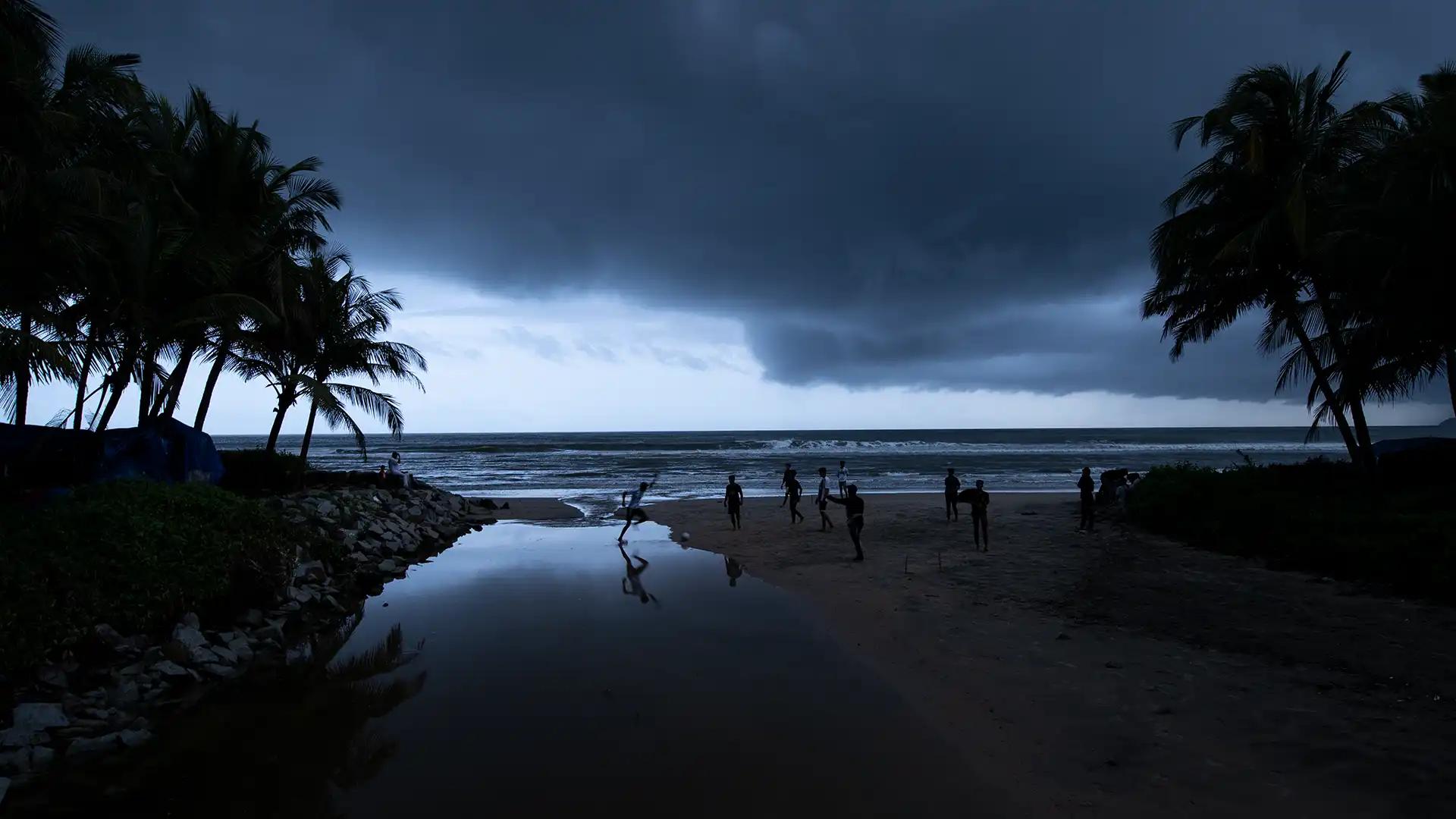
Every destination has a season that defines it. Japan celebrates spring beneath cherry blossoms, while much of Europe embraces the warmth and festivities of winter. In Kerala, it is the southwest monsoon that transforms both the landscape and everyday life.
From mid-July to mid-August, the rains reach their peak as Kerala enters Karkidakam, the last month of Kollavarsham, the traditional Malayalam calendar introduced in 825 CE. For generations, this season has inspired customs centred on reflection, spirituality and living in harmony with nature. Today, it also offers visitors a chance to experience Kerala beyond its familiar beaches and backwaters.
A Season Rooted in Tradition
Long before modern transport and technology, the monsoon influenced the rhythm of life across Kerala. Heavy rains encouraged communities to spend more time indoors, strengthening family bonds and giving rise to traditions that continue to be observed.
Karkidakam is widely known as Ramayana Masam, when the Adhyatma Ramayanam is recited in homes and temples throughout the state. As evening lamps are lit and verses are read aloud, visitors can witness a living tradition that has been passed down through generations.
Another important observance is the Nalambalam Yatra, a pilgrimage to the four temples dedicated to Lord Rama and his brothers—Rama, Bharata, Lakshmana and Shatrughna—in Thrissur district. Thousands of devotees undertake this journey every year, making it one of Kerala's distinctive seasonal pilgrimages. Visitors are welcome to observe the pilgrimage while respecting local customs and temple etiquette.
Simple moments also define the season—the aroma of chukku kaapi (dry ginger coffee), rain falling on tiled roofs and families gathering together as the monsoon unfolds outside.
Experience Kerala During the Monsoon
For travellers, Karkidakam reveals Kerala at its most vibrant. Waterfalls flow at full strength, rivers and backwaters fill with fresh rainwater, and tea, spice and rubber plantations take on renewed life beneath drifting mist.
It is also the perfect season for slow travel. Stay in a heritage homestay, explore hill stations at an unhurried pace, cruise the backwaters after a passing shower or simply enjoy local cuisine while watching the rain from a shaded verandah. With fewer crowds at many destinations, the season offers a quieter and more immersive travel experience.
Whether you enjoy photography, birdwatching, nature walks or discovering local traditions, the monsoon offers countless opportunities to experience Kerala from a different perspective.
Where to Experience the Monsoon
Each region offers its own monsoon charm. Mist-covered tea estates make Munnar a favourite for mountain escapes, while Wayanad combines forests, waterfalls and plantation landscapes. Athirappilly is at its spectacular best during the rains, and the backwaters of Alappuzha and Kumarakom become even more serene. Along the coast, Kovalam and Varkala reveal a dramatic beauty as waves crash against rain-washed shores.
Eco-lodges, plantation stays and heritage homes provide ideal settings for experiencing Kerala's celebrated rainy season.
Travel Responsibly During the Monsoon
Carry rainwear and waterproof footwear, check weather updates before visiting waterfalls or trekking trails, and follow local advisories in areas receiving heavy rainfall. Respect customs while visiting temples and pilgrimage sites, and choose responsible tourism experiences that support local communities and protect Kerala's natural environment.
Come for the Rain. Stay for the Stories.
Karkidakam offers more than dramatic landscapes. It is a season when Kerala's cultural traditions, spiritual practices and natural beauty come together in a way found nowhere else.
For many visitors, it is also the perfect time to combine a monsoon holiday with Kerala's renowned Ayurvedic wellness experiences, traditionally associated with this season.
Come during Karkidakam and discover a Kerala shaped by rain, enriched by tradition and best explored at an unhurried pace.
Monsoons in Kerala