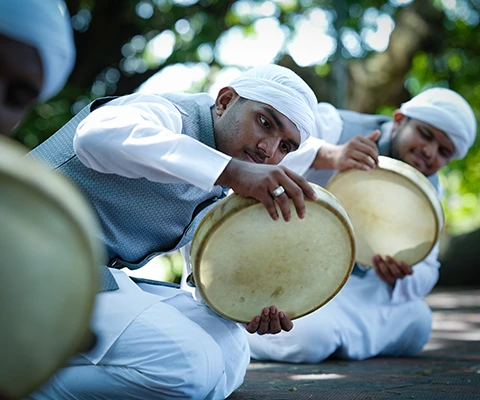
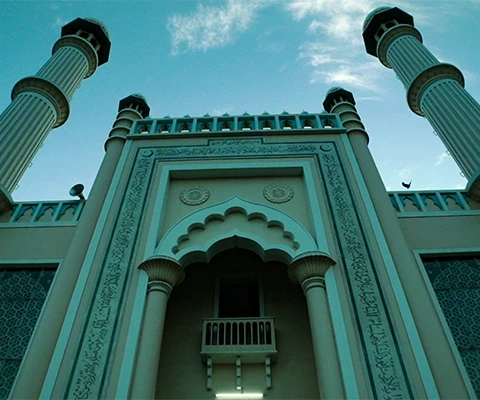
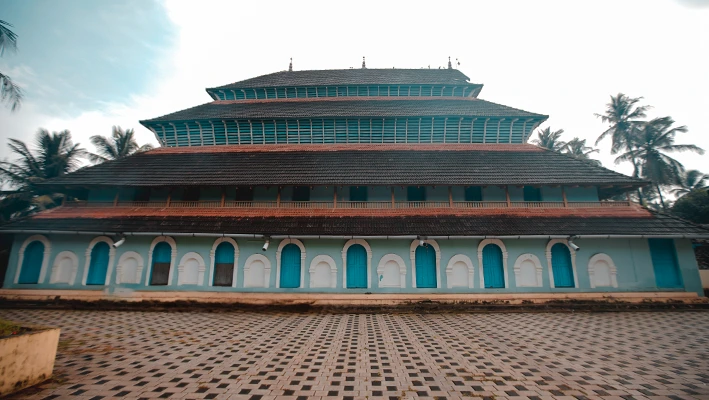
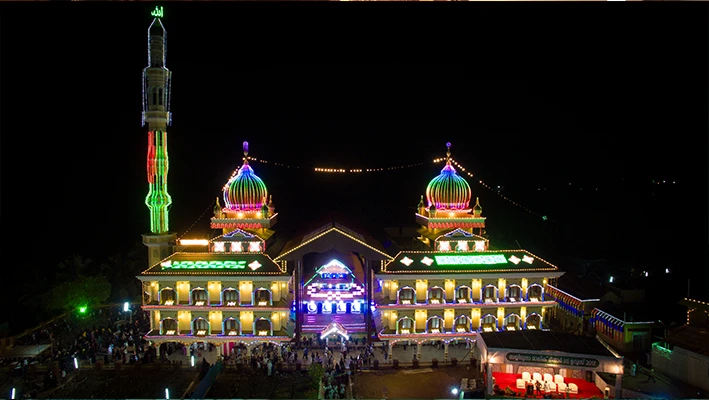
The Muslims of Kerala, commonly referred to as Mappilas, are an integral part of Kerala's vibrant culture. They represent a unique blend of Arab, Islamic, and South Indian traditions, contributing significantly to the state's historical and cultural identity. The Mappilas have played an essential role in Kerala's history, particularly in trade, politics, and resistance against colonial powers such as the Portuguese and the British.
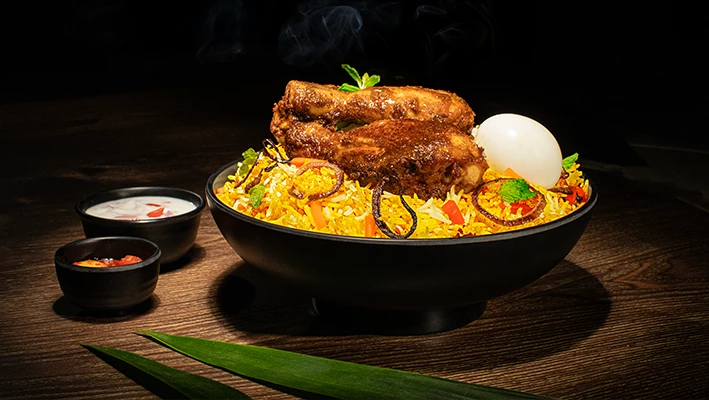
Over the years, Mappilas have assimilated elements of Kerala's culture, including its language, art, and cuisine, while maintaining their distinct Islamic identity. They were actively involved in anti-colonial struggles. Today, they continue to influence Kerala's socio-economic and political landscape positively.
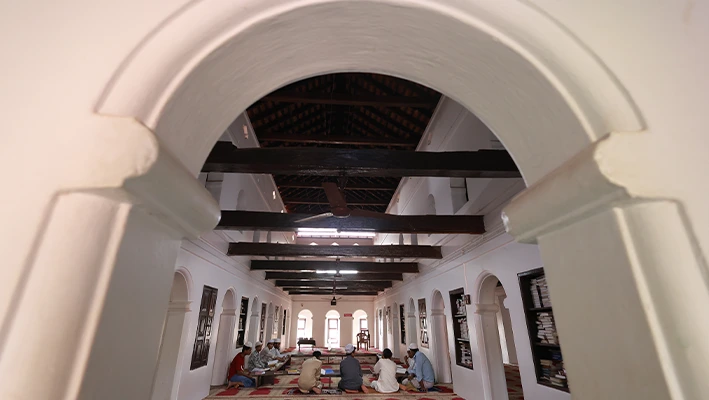
The Mappila Muslim community of Kerala has cultivated a distinctive educational tradition that blends Islamic scholarship with modern learning. Initially, education was imparted at Othupallis—informal religious schools led by Mullas, where students learned Qur’anic verses and daily litanies using wooden slates. Advanced studies took place at mosque-based Dars systems, notably reformed by scholars like Shaikh Zainuddin Makhdum and later Chalilakath Kunhahammad Haji, who integrated subjects such as astronomy, mathematics, and geography.
The British introduction of secular education catalyzed further reforms, leading to institutions like the Samasta Kerala Vidyabhyasa Board and Oriental Arabic Colleges. The 20th century witnessed the rise of combined boarding schools, Shariah colleges, and reformist organizations like Jamaat-e-Islami and Nadwatul Mujahidin establishing their own boards.