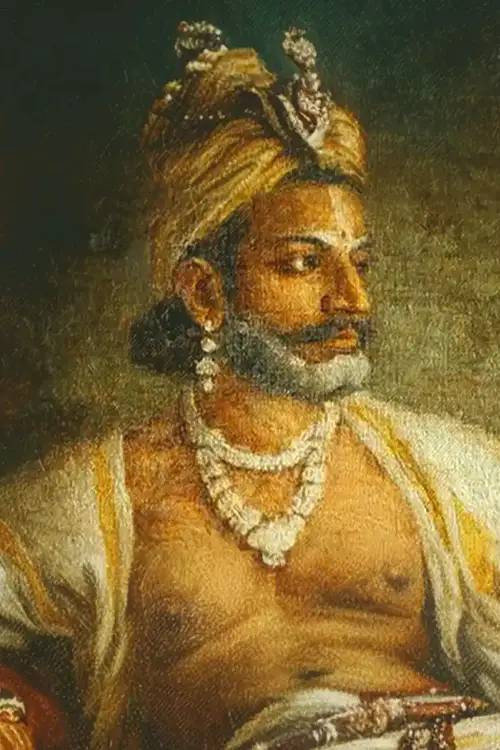
However, in 1792, the British defeated Tipu Sultan and took control of Malabar, reversing his progressive policies. They reinstated the landlord system, granting excessive power to the landlords. Under British rule, Mappila Muslims faced severe hardships, especially due to the oppressive practices of landlords who were backed by the colonial administration. These oppressive conditions led to widespread peasant struggles during the 19th and 20th centuries.
The Mappila Muslims, already discontented with British policies—particularly their conspiracies against the Khalifa of Turkey, the spiritual leader of the Muslim world—were drawn into India’s national freedom movement through the Khilafat Movement. This initiative was led by Mahatma Gandhi and Muslim leaders such as Maulana Muhammad Ali and his brother Shaukat Ali. Gandhiji’s visit to Malabar played a pivotal role in promoting the ideals of the Khilafat Movement, resulting in the establishment of Khilafat Committees across the region.
Malabar, long a center of rebellion against oppressive landlords, became a focal point of the Khilafat struggle.
Leaders like Ali Musliyar and Variyan Kunnath Kunjahammad Haji established a short-lived Khilafat rule in Malabar, which lasted for approximately six months. Though brief, it symbolized a significant assertion of local resistance against colonial and feudal oppression.
However, the British brutally suppressed the rebellion, inflicting severe hardships on the Mappila community. Many were imprisoned, falsely accused, deported to remote areas, and subjected to relentless harassment.