Loading...
Loading...
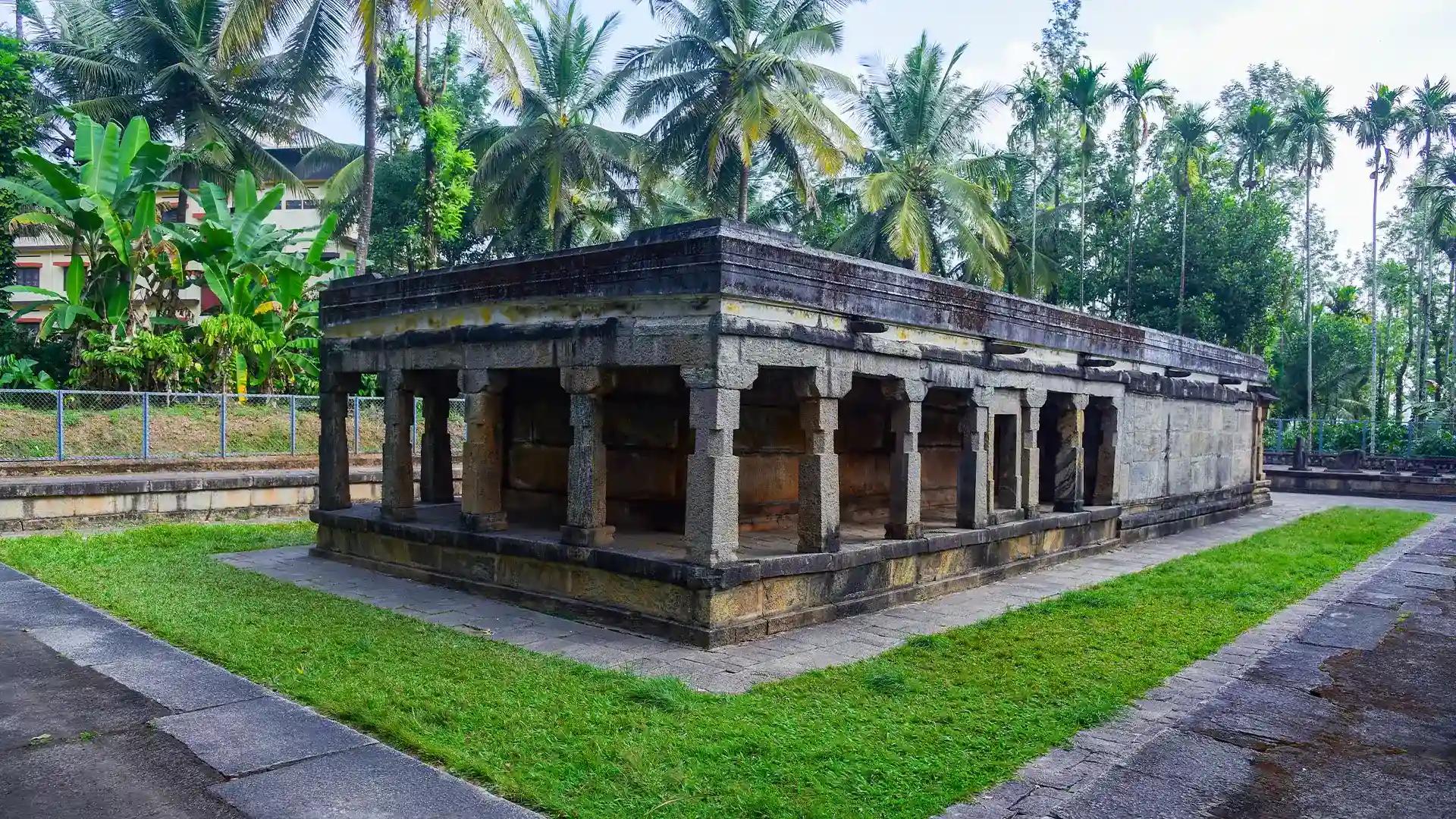
The Jain Temple within the town limits of Sulthan Bathery stands as a reminder of a time when Jainism held a visible and respected presence in Wayanad. Believed to have been built in the 13th century, this granite structure is one of the oldest surviving Jain monuments in Kerala. Located about two and a half kilometres from the town centre, it is easily accessible from Kozhikode via Kalpetta or from Kannur through Mananthavady. Though modest in appearance, the temple carries centuries of history within its stone walls.
Historians often associate the temple’s construction with the rulers of the Vijayanagara dynasty, reflecting the wider cultural and trade connections that once linked the Deccan plateau with the Malabar region. The architecture is simple yet sturdy, built entirely of large granite blocks, with minimal ornamentation. Over time, the structure also served purposes beyond worship. During the Mysorean campaigns, it is believed that Tipu Sultan used the temple premises as an ammunition storage site. In fact, the town’s present name is said to have evolved from “Battery,” referring to the artillery stationed here.
Earlier known as Ganapathi Vattam, the area around the temple once had twelve traditional Jain streets, indicating an organised and thriving Jain settlement. After the Mysorean period, the temple fell into disuse for nearly 150 years. Today, it is a protected monument under the Archaeological Survey of India, and visitors can enter between 08:00 AM to 12:00 PM and 02:00 PM to 06:00 PM. The stone-pillared hall and sanctum remain largely intact, offering a rare glimpse into medieval Jain architecture in Kerala.
Although regular worship is not conducted here, the spiritual connection continues. On Mahavir Jayanti, the idol of the presiding deity currently housed at the Ananthanatha Temple in Kalpetta, is ceremonially brought back to Sulthan Bathery. Devotees gather to offer prayers, briefly restoring the temple’s original devotional atmosphere.
The temple’s location also makes it part of a wider cultural circuit. The route to Ooty via Gudalur begins from Sulthan Bathery, and nearby attractions include the prehistoric engravings of the Edakkal Caves at Ambalavayal. A short drive further leads to the scenic reservoir and landscaped garden of the Karapuzha Dam.
The Bathery Jain Temple stands with a proud majesty, carrying stories of trade routes and changing times that once shaped the landscape of Wayanad.
These digital guides serve as invaluable tools for travellers planning their Kerala vacations.
Here's a wide range of accredited hospitality services available in Bathery Jain Temple, Sulthan Bathery.
Your safety is our top priority: Choose from a select group of accredited adventure tour operators for an unforgettable experience.
Looking for nearby destinations? Check-out these!
Bathery Jain Temple, Sulthan Bathery