The Mappila community of Kerala, particularly the lower castes, experienced a significant transformation with the spread of Islam in the region. One of the most notable changes was the adoption of new styles of dress. The conversion of lower castes to Islam was especially impactful, as it introduced new practices of modesty and symbolized a break from the rigid social restrictions of the caste system. This reflects significant influences from religious norms and external factors, including Arab cultural impact, colonial encounters, and later, Gulf migration.
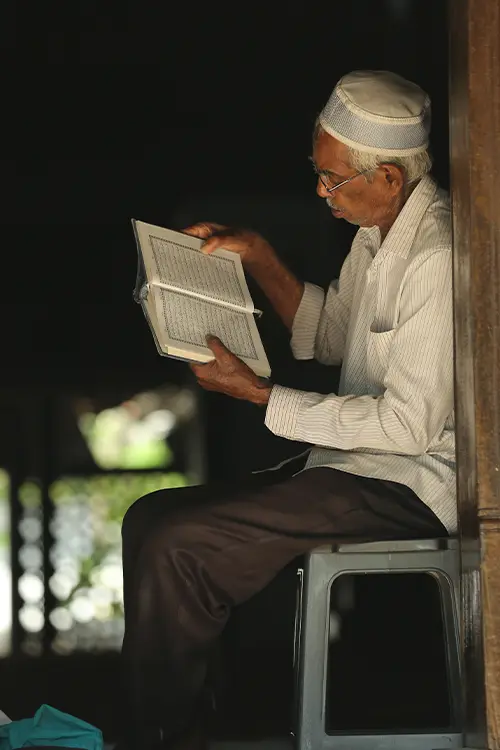
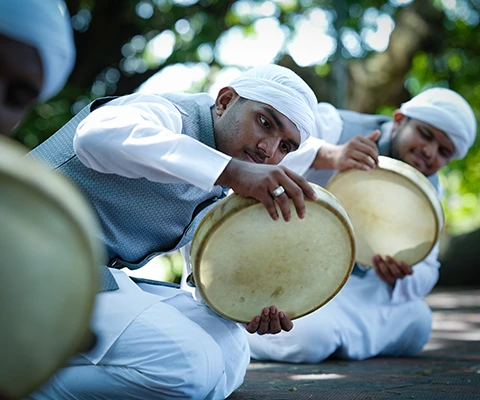
In the ancient Kerala society, women from the so-called lower castes were not allowed to cover their upper bodies. When such women converted to Islam, they began to cover their upper bodies with a shirt called kuppayam. This marked a symbolic break from their previous low-status and caste-based dress codes. The kuppayam was often adorned with ornamental embroidery, a distinctive feature of Mappila Muslim dress that blended Brahmin and Arab cultural influences. This reflected the fusion of Kerala’s local traditions with Islamic aesthetics. The conversion of males to Islam was often referred to as thoppiyiduka, meaning "wearing a cap over the head," implying their acceptance of Islam.
The lower part of a man's body was covered with a cloth called kaili or thuni, made of cotton or linen, sometimes featuring a checked pattern. This cloth was worn to reach upto the ankle and covered the navel area. The thuni was often sewn into a fold or wrapped around the waist, sometimes secured with a knot.
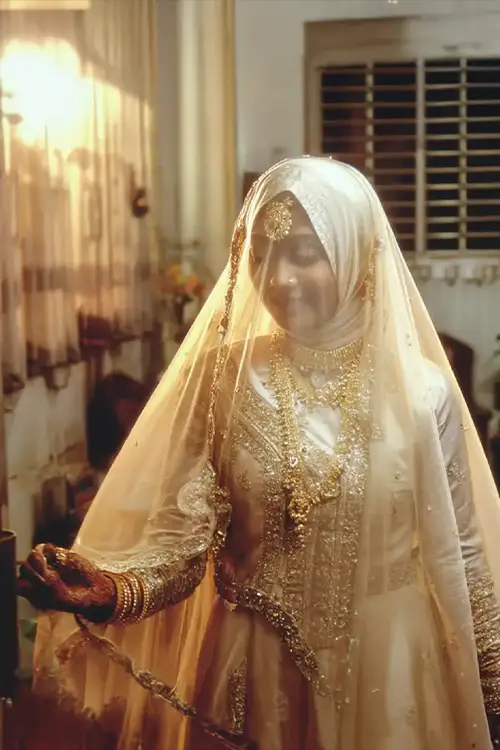
Women covered their lower bodies with a cloth called kachi thuni (a white cloth) or sup (a black cloth). This attire reflected the modest dress prescribed by Islamic teachings. Later, Mappila girls began to wear the pavada, a long skirt paired with a blouse. Sometimes, the blouse had an open back, reflecting fashion trends. Women covered their heads with a piece of cloth called Thattam, while men wrapped a long cloth around their heads in a particular style, known as thalekkett. Women sometimes wrapped their faces with a cloth called makkana or maftha.
The Sayyid class wore expensive long cloths, while their women observed pardah or jilbab, sometimes covering their faces with a piece of cloth attached to the pardah, known as niqab. Wealthier Mappilas wore wooden sandals called methiyadi, though most commonly, they walked barefoot.
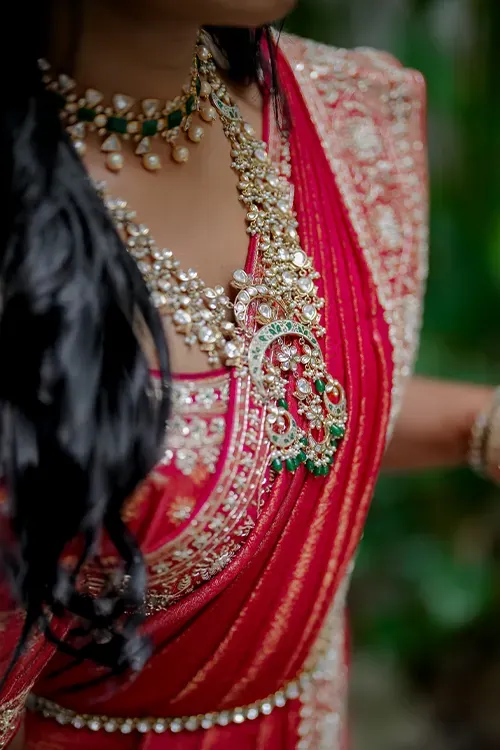
Over time, Mappila women's dress evolved, with different styles of pardah or hijab or abaya influenced by Gulf fashion becoming common. Men occasionally wore long shirts called thawb, along with various styles of headgear. Later, churidar (salwar and khamees), a North Indian dress, and saree became popular among women, while men gradually adopted Western-style pants and shirts.