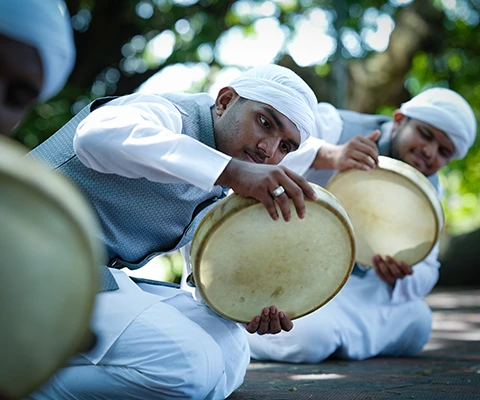
In Kerala, the Muslim community follows specific customs and rituals related to death and mourning, deeply rooted in Islamic practices, while also incorporating local cultural elements.When a person dies, the family informs relatives, neighbors, and close friends.Traditionally, the announcement may be made through word of mouth or with the use of a community drum, especially in rural areas.
The body of the deceased is washed in a process known as ghusl, performed by close family members or a trained individual from the community.The body is washed three times (sometimes five) with water mixed with camphor or other fragrant substances.This is done with great care and reverence in accordance with Islamic rites.After washing, the body is wrapped in a simple white cloth known as kafan.This plain cloth, without embellishments, symbolizes simplicity and equality in death.The body is then placed in a box (Mayyithu Kattil) and taken to the mosque in a procession.
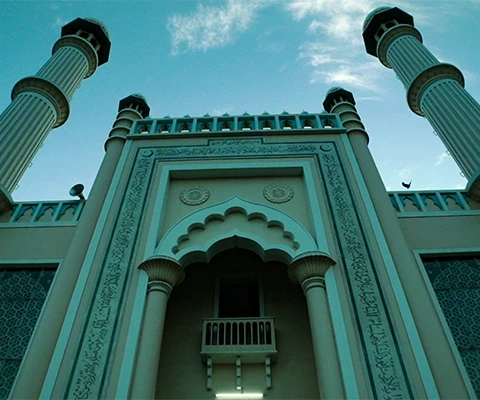
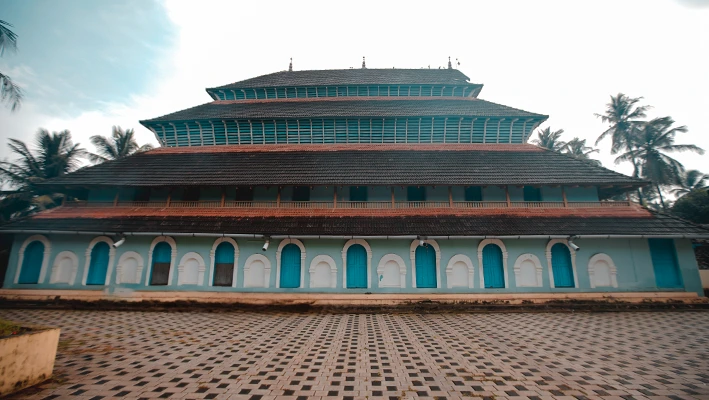
Relatives, neighbors, and friends of the deceased follow the body to the burial site.A congregational prayer is held at the mosque, where the body is placed in front of the Imam, the prayer leader (usually either the Imam of the mosque or a close relative of the deceased).In these rituals, regardless of the gender of the deceased, only males participate.The body is then placed in a coffin and taken to the burial site.