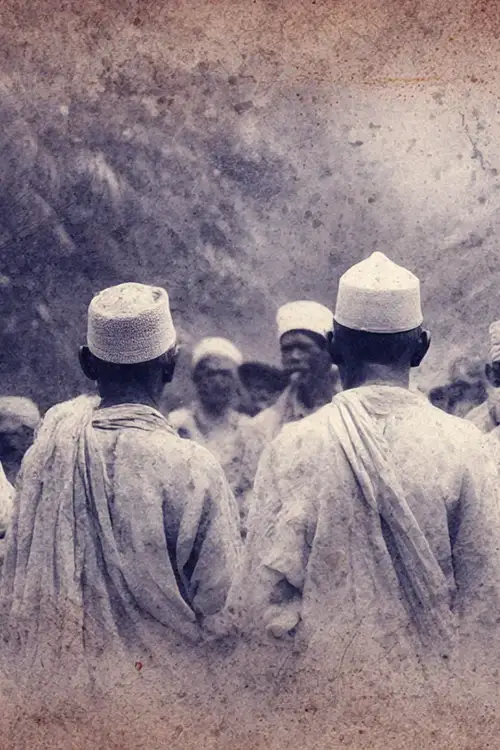
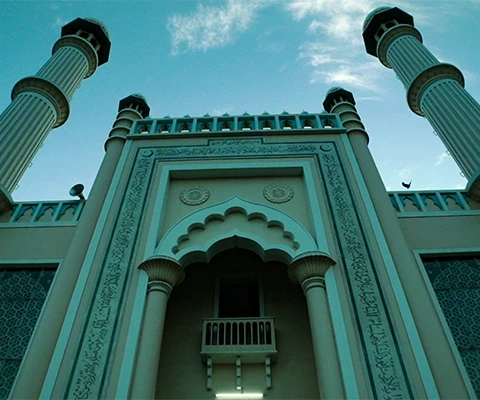
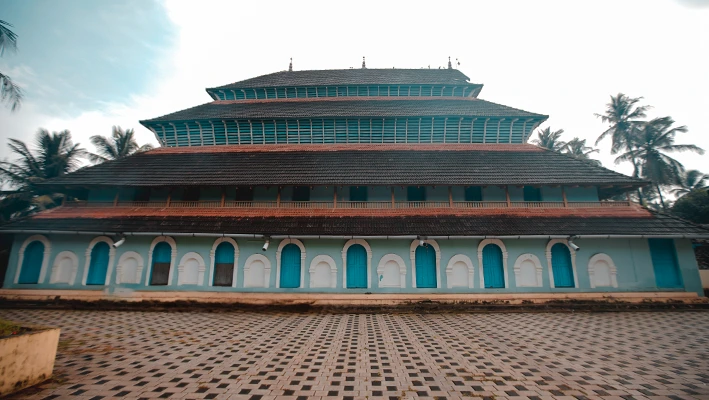
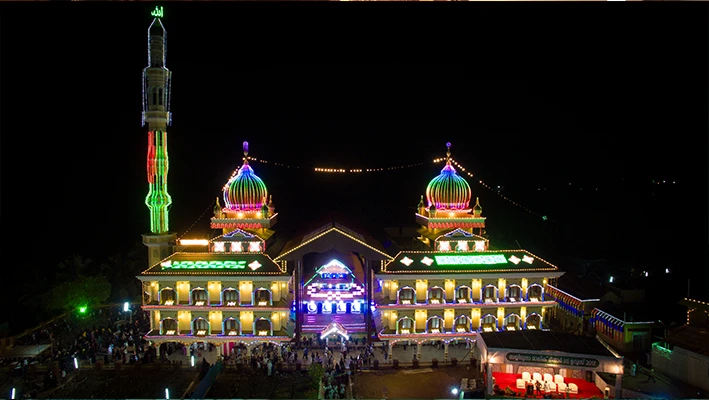
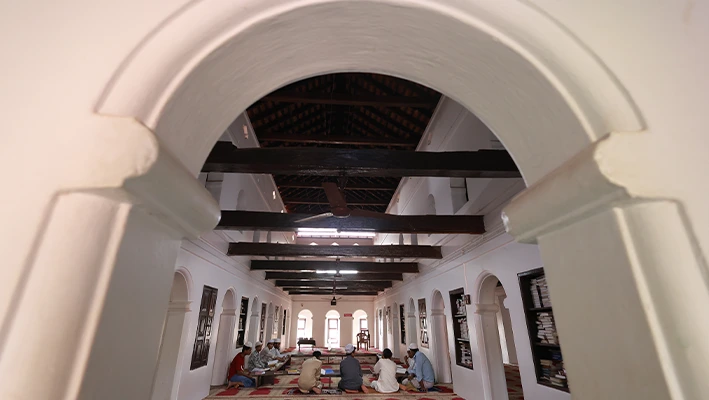
Interestingly, certain historians suggest that two Perumals converted to Islam.The first, Shankavarma Perumal, reportedly gave a Buddhist Vihara (prayer place) to Muslims, which later became the Cheraman Juma Mosque.The second Perumal is said to have traveled to Arabia a century later but died en route.He is believed to have instructed his deputies in Kerala to support the construction of mosques in different parts of the region.Malik Dinar, leading the first Islamic missionary to Kerala, is thought to have arrived around the 8th century to carry out these efforts.
Another story revolves around the queen of Perumal, who allegedly compelled Minister Krishna Munjad to share her bed.When the minister refused, the queen falsely accused him of attempting to engage in illicit relations.Enraged by the accusation, Perumal sentenced the minister to death.However, the minister is said to have miraculously escaped, exclaiming, “Penchollu ketta Perumale, Makkath poyi thoppiyidu” (loosely translating to "Oh Perumal, who believed a woman's false words, go to Makkah and don the cap of truth").Later, Perumal realized his mistake and, overcome with guilt, decided to renounce his kingdom and convert to Islam.He then journeyed to Makkah as an act of repentance.
A different narrative suggests that one Zamorin of Calicut embraced Islam at a later period.He is said to have died in Salalah, Oman, after converting to Islam and adopting the name Abdu Rahman.His grave in Salalah is still recognized, with the local people regarding it as the tomb of a Malabar king.
The story of Cheraman Perumal, whether factual or legendary, holds profound cultural and religious significance for Kerala's Muslim community.It underscores the region's historical openness to Islam, the peaceful spread of the religion, and the pivotal role of trade and diplomacy in promoting cultural exchange.The legend of Cheraman Perumal continues to be a treasured part of Kerala's rich and pluralistic heritage.