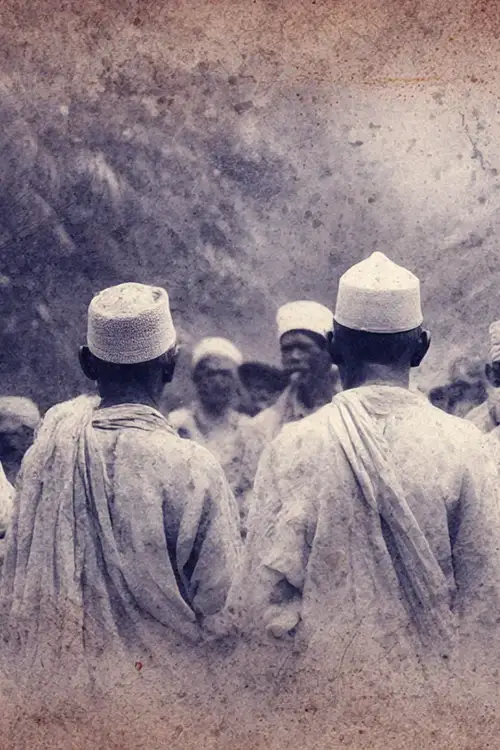
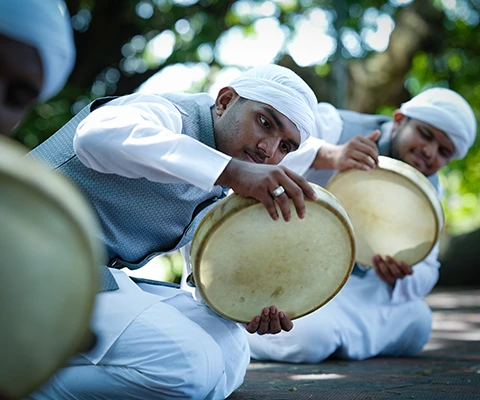
The origins of the Mappilas trace back to Arab traders who arrived on the Malabar Coast (modern-day Kerala) as early as the 7th century CE. Many of these traders married local women, leading to the emergence of a distinct hybrid community. The term "Mappila" (also spelled Moplah) is thought to derive from the Tamil words "Ma" (meaning "great" or "respectful") and "Pilla" (a respectful title or suffix). Another interpretation suggests it originated from the Tamil word for bridegroom, particularly used for foreigners who married local women. This term was historically used to denote Jewish, Christian, and Muslim Mappilas, although it eventually became associated predominantly with Kerala's Muslim population.
Among the Mappila community are descendants of foreign traders who married Indian women. A significant portion, however, consists of local peasants who embraced Islam to escape caste-based discrimination and the exploitation of feudal landlords. Furthermore, Kerala’s Muslim population comprises diverse groups such as Sayyids, Saits, Pathans, Afghanis, Rowthers, Nawayats, and Bahris, who migrated from various parts of India and abroad over the centuries.

Arab traders had established strong trade ties with Kerala much before the advent of Islam. They traded spices, ivory, and other goods in exchange for gold and other valuable items. The cultural exchange laid the groundwork for the acceptance of Islam, as the Arabs were already respected in the region.
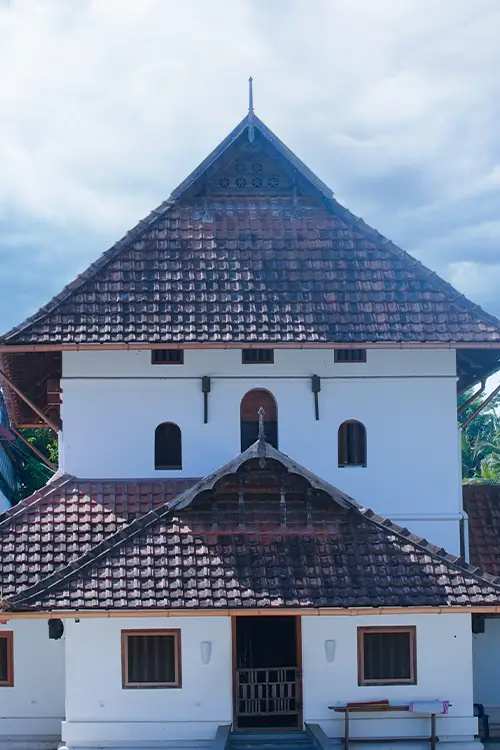
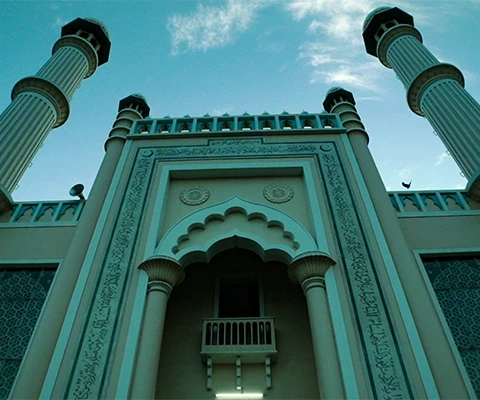
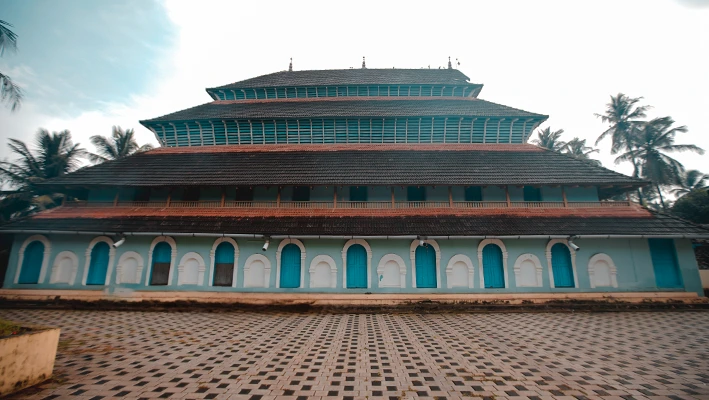
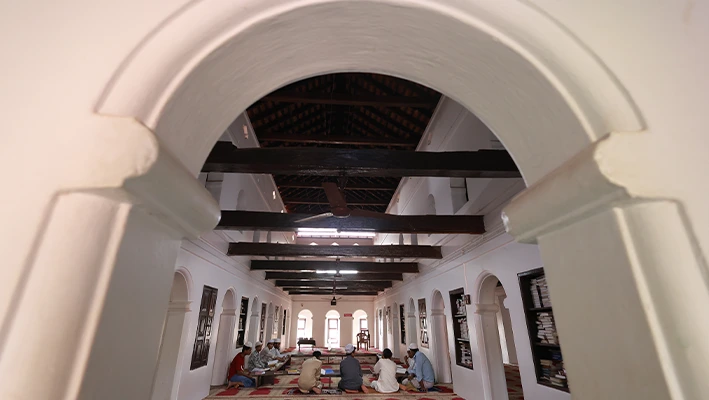
Islam is believed to have reached Kerala during the lifetime of Prophet Muhammad. Oral traditions suggest that Malik Dinar and his companions, followers of the Prophet, came to Kerala to propagate Islam. The Cheraman Juma Mosque in Kodungallur, built in 629 CE, is considered the first mosque in India. It was reportedly established with the support of the local Chera king, Cheraman Perumal, who is said to have converted to Islam.
The arrival of Islam in Kerala marked the beginning of a long-standing cultural and religious coexistence. It also positioned Kerala as a major hub in the global spice trade, strengthening its connections with the Arab world and beyond. The Mappila community's distinct identity continues to reflect this rich heritage.