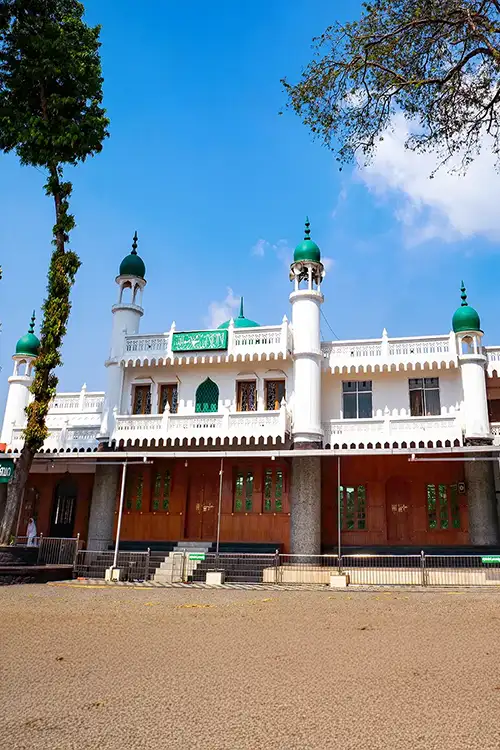
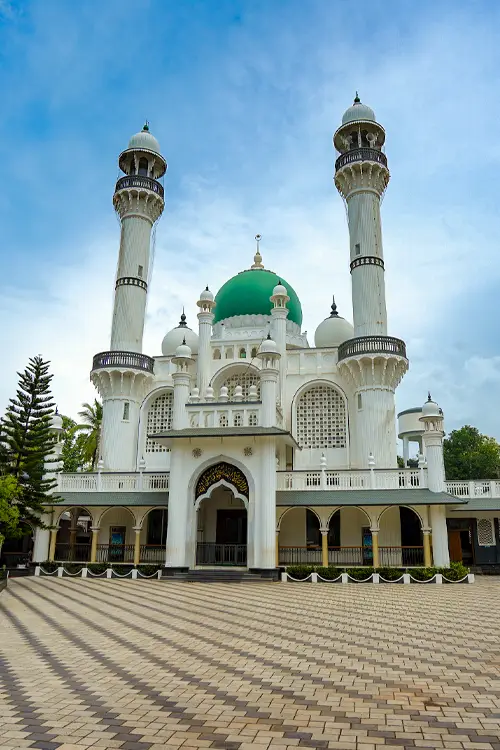
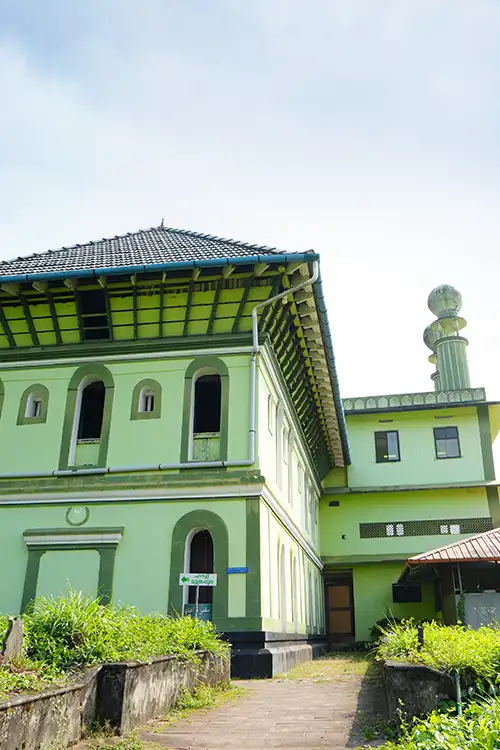
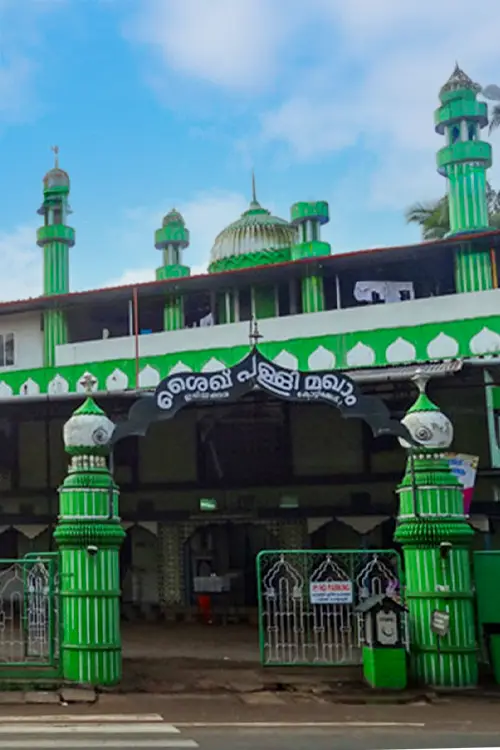
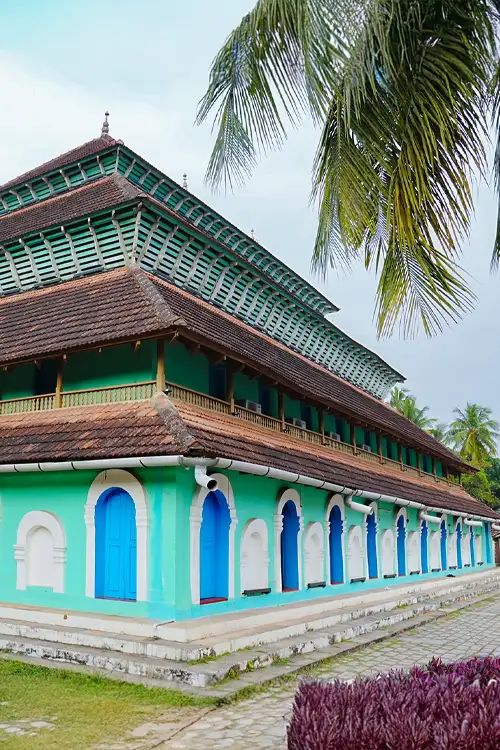
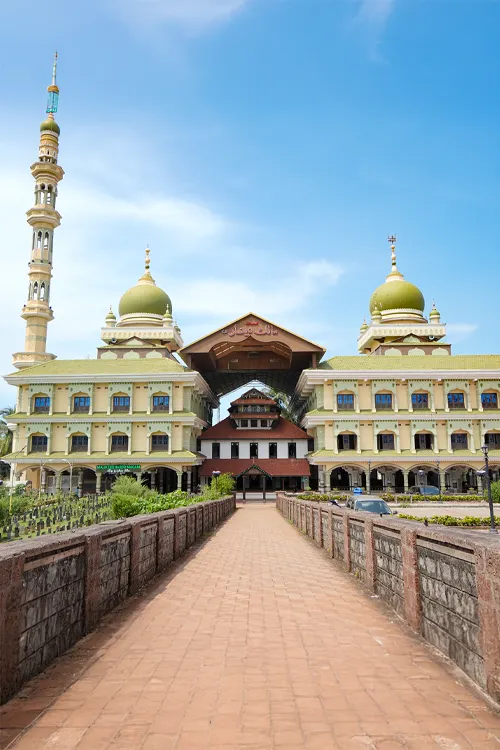
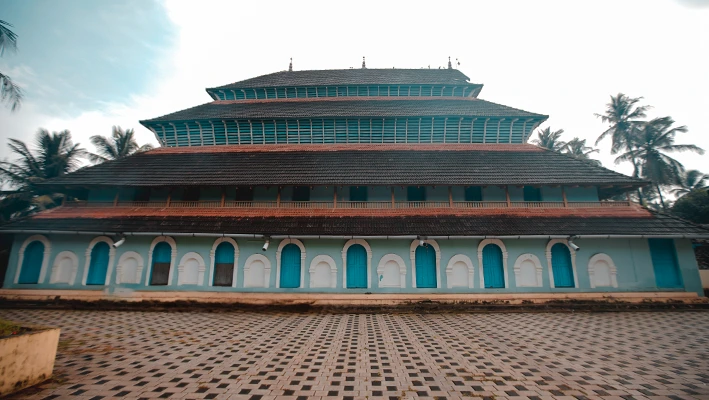
The Cheraman Juma Masjid, located approximately 2 km from Kodungalloor town in Kerala, is recognized as the first mosque built in India, dating back to 629 CE. Established by Malik Ibn Dinar during the lifetime of the Prophet Muhammad, it holds the distinction of being the second mosque globally to commence Juma prayers.
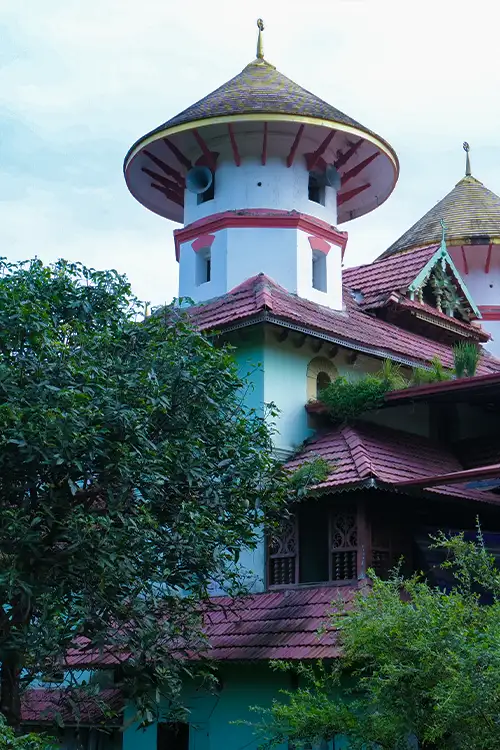
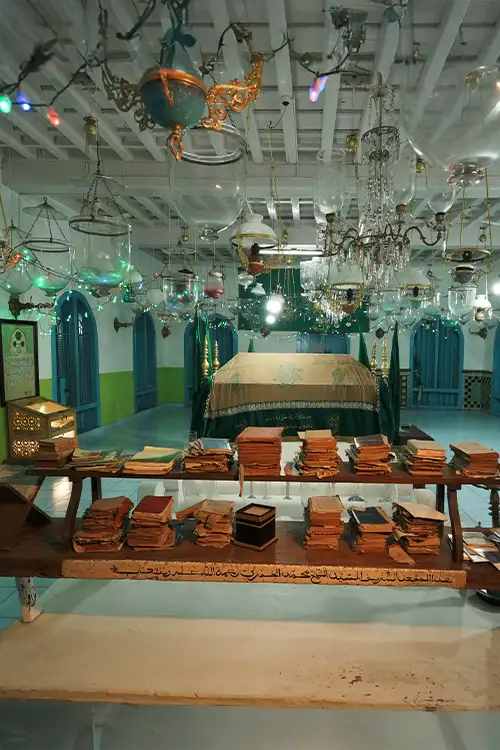
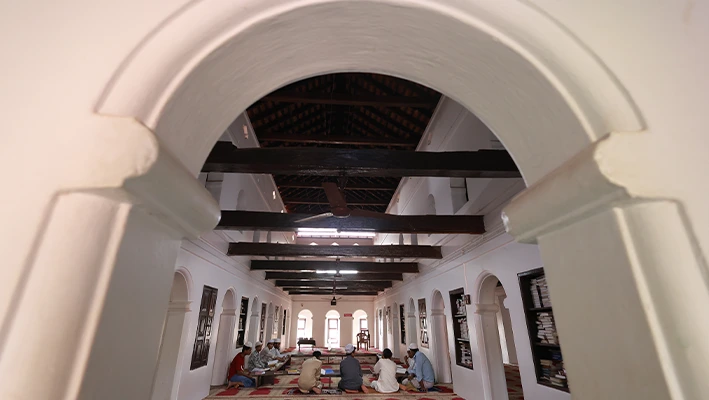
The mosque's architecture is notable for its blend of traditional Kerala and Middle Eastern styles, featuring a facade resembling a Hindu temple. Despite undergoing several renovations over the centuries, key elements like the sanctum sanctorum, wooden steps, and ceiling have been preserved, maintaining its historical essence. A unique feature of the mosque is an ancient oil lamp, believed to have been burning continuously since its inception.
As part of the Muziris Heritage Project, the mosque complex now includes Kerala's first Islamic Heritage Museum, which showcases the history of Islam in the state through visual media, murals, and paintings, including the story of Cheraman Perumal.
For more info: https://www.keralatourism.org/destination/cheraman-juma-masjid-kodungalloor/81/

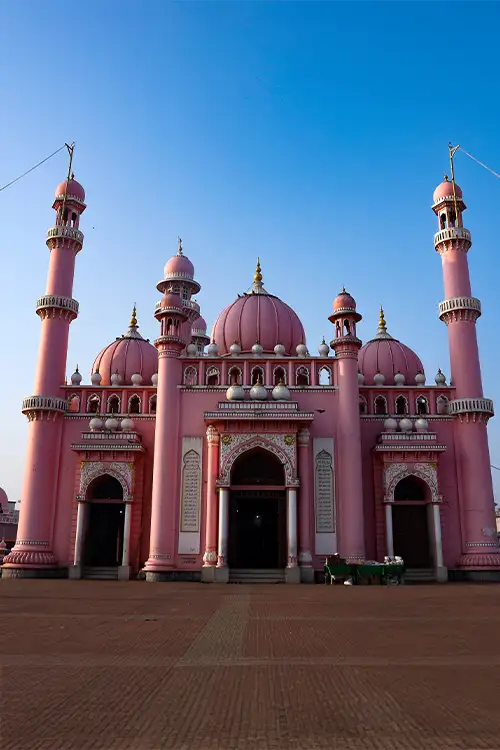
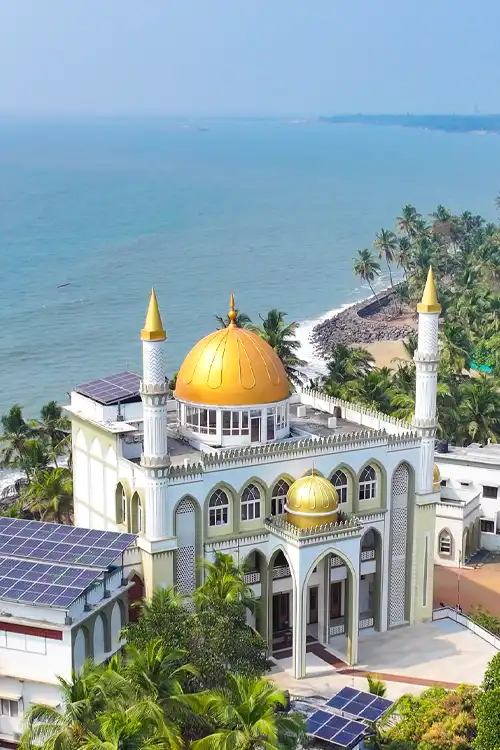
Located near Thiruvananthapuram, the Beemapally Dargah Shareef is a revered Islamic shrine that attracts pilgrims of all faiths. It is the final resting place of Sayyidhathunissa Beema Beevi and her son Ashaikhu Sayidushaheed Maheen Aboobaker, both believed to be descendants of Prophet Muhammad. Beema Beevi, known for her deep spirituality and healing powers, journeyed from Arabia to India to spread the teachings of Islam, earning immense reverence across Kerala.
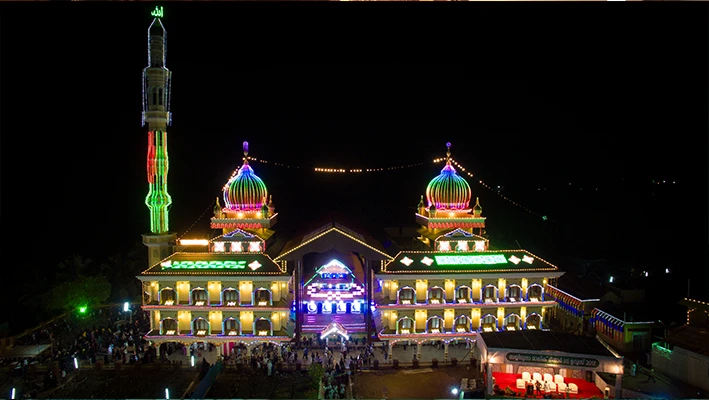
The highlight of Beemapally’s spiritual calendar is the Chandanakudam Mahotsavam, also known as the Beemapally Urus, an 11-day festival held annually to commemorate the mother-son duo’s death anniversaries. The festival begins with the ceremonial flag hoisting and culminates in the offering of earthen pots (kudams) filled with coins and covered in sandalwood paste—hence the name Chandanakudam. These offerings symbolize devotion, healing, and hope.
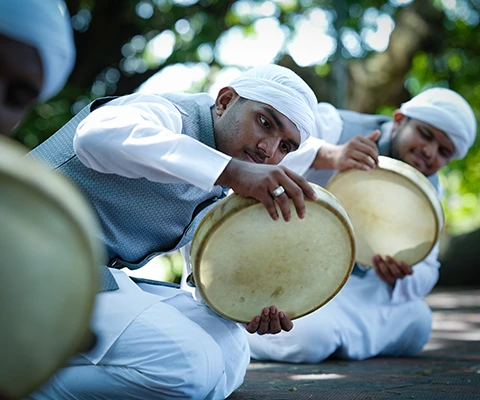
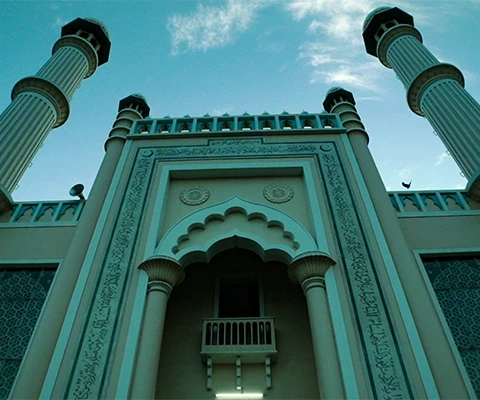
Legend has it that the wells within the Dargah premises possess healing powers, believed to be active since Beevi’s time. The mosque’s vibrant pink facade and rich history make it a cultural and architectural landmark in Kerala. During the festival, the Dargah also hosts traditional art performances.
The Beemapally Urus is more than a religious event—it's a unique celebration of unity, faith, and Kerala’s inclusive spiritual heritage.
.webp "Shrine in Kerala")