The cultural harmony between the two communities is evident in Mappila social life. In social customs and practices, Mappilas borrowed many elements from Hindus while maintaining their distinct religious practices and theology. R. E. Miller identified the matrilineal kinship system, known as marumakkathayam, as a significant example of Mappila social adaptation from Hindu traditions. However, this system was not unique to Mappilas in Malabar; it was also practiced by other Muslim communities formed through interactions with Arab sailors. A similar system existed along the southern Arabian coast, particularly in Yemen, from where Arab traders frequently traveled to Malabar. This practice suited the lifestyle of Arab sailors, allowing them to integrate with local customs.
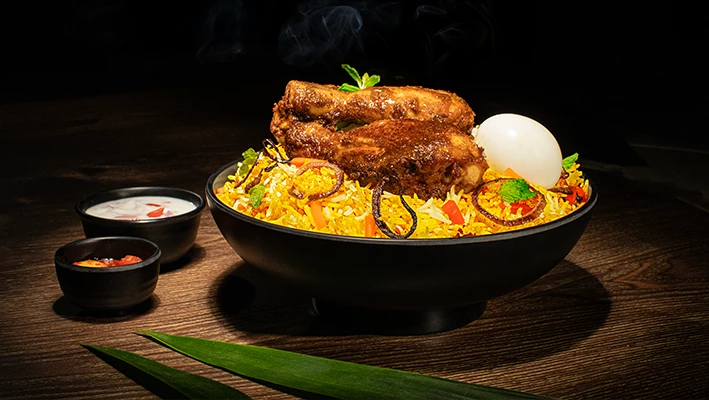
The indigenous traditions considerably influenced the Mappila community, permeating into the fabric of most of their customs and ceremonies. For instance, marriage practices such as tying the tali (a wedding ritual in which the groom ties a sacred necklace around the bride’s neck) and paying dowry to the groom were the traditions followed by other communities in Kerala. Even in their food and dress styles, Mappilas closely resembled the local population, with minor variations. For example, Mappilas wore their lungi (mundu) with its outer edge to the left, while Hindus wore it to the right.
Despite Islamic teachings discouraging superstitions, many peasant Mappilas followed local Hindu beliefs in magic and witchcraft. They often sought the help of Hindu diviners to protect them from sorcery and evil spirits. Common practices included placing a hideous wooden or straw figure in front of a new building or a straw effigy in vegetable fields to ward off the evil eye. Belief in the Odi (an occult art), omens, and local spirits was also prevalent among Mappila folk.
The Theyyam performances, an integral part of temple festivals in northern Kerala, wonderfully highlight the cultural fusion between Hinduism and Islam. There are Muslim Theyyams such as Ali Theyyam, Beevi Theyyam, and Mukri Theyyam, performed by Hindu artists during festivals. The performers dress as Muslims and speak in the Mappila dialect, further blurring cultural distinctions and reinforcing the shared heritage of both communities.