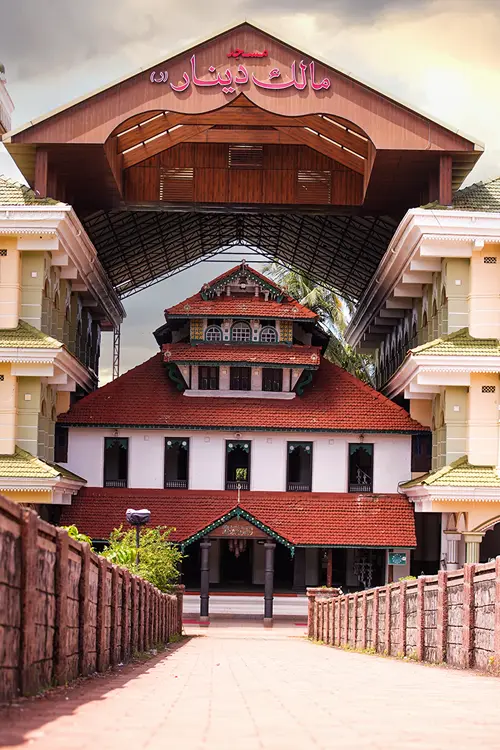
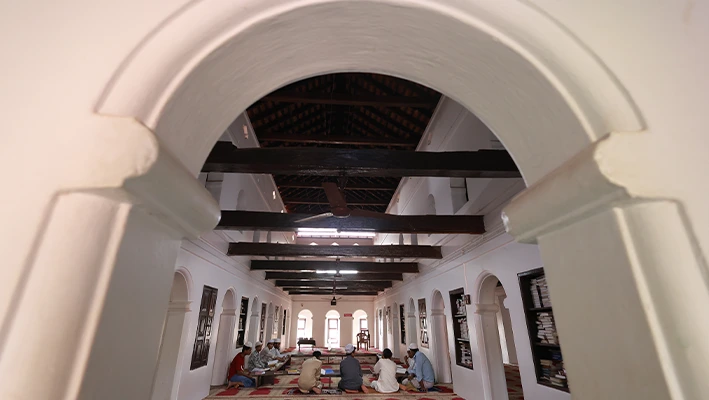
According to belief, saints possess barakah, a supernatural blessing or virtue, which continues to emanate from their tombs even after death. A visit to a saint’s shrine is thought to bring divine benefits to supplicants. In southern Malabar, it is common for Hindu peasants to visit the dargah of Sayyid Alavi Tangal of Mamburam, seeking blessings for personal and community ceremonies.
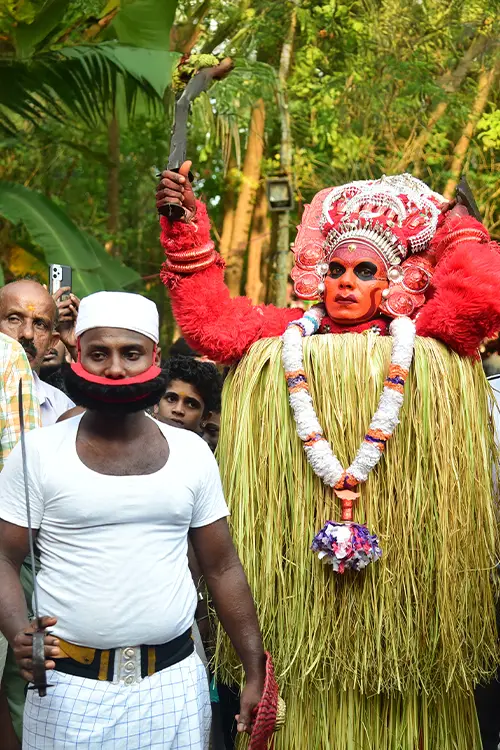
Sayyid Alavi’s manager, Konthu Nair, a Hindu, remained his trusted confidant and karyasthan (steward) throughout his life, exemplifying the deep interfaith bonds in Kerala. It is said that Kozhikkaliyattam, a Hindu peasant festival at Kaliyatta Mukku near Tirurangadi, was initiated with the blessings of Sayyid Alavi. A folk song about Kaliyattakkavilamma attests to this:
"On the 15th of Edavam, A good festival (Kaliyattam) Was fixed on Friday, a good day. By Sayyid Alavi Tangal, He launched the festival, And it continues as Blessed by him."
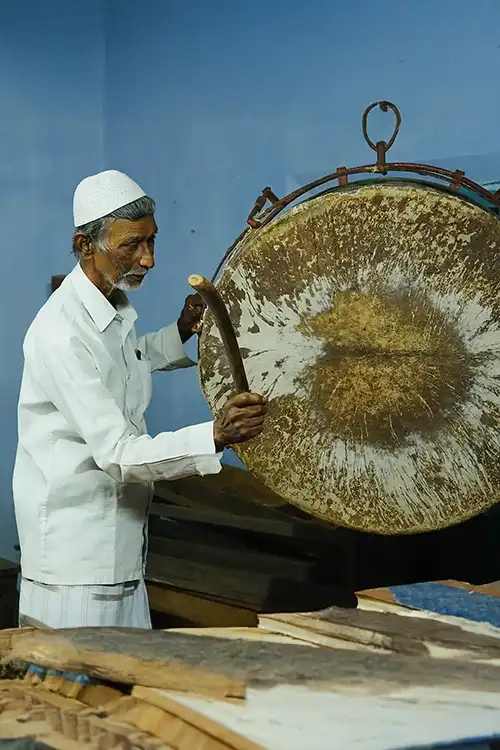
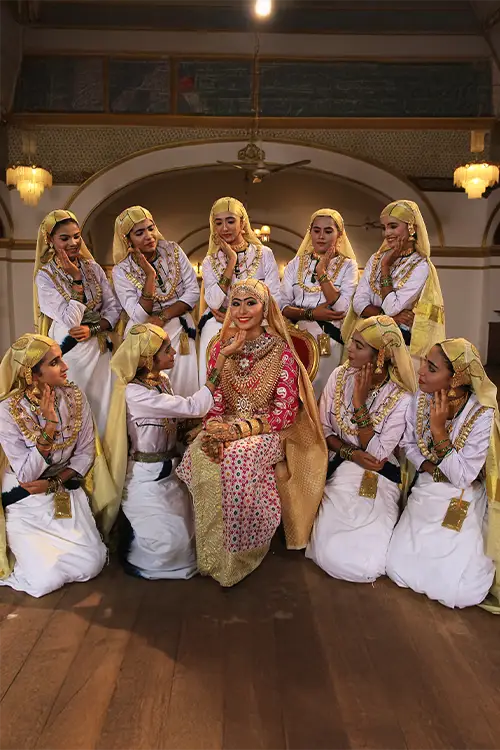
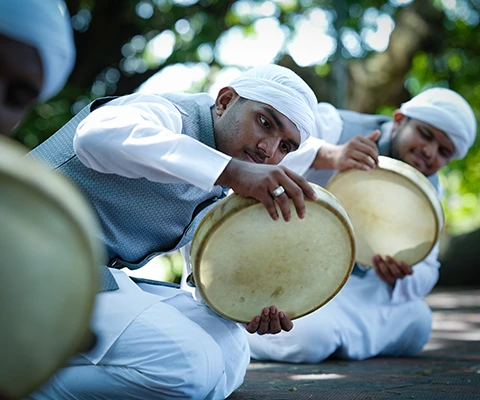
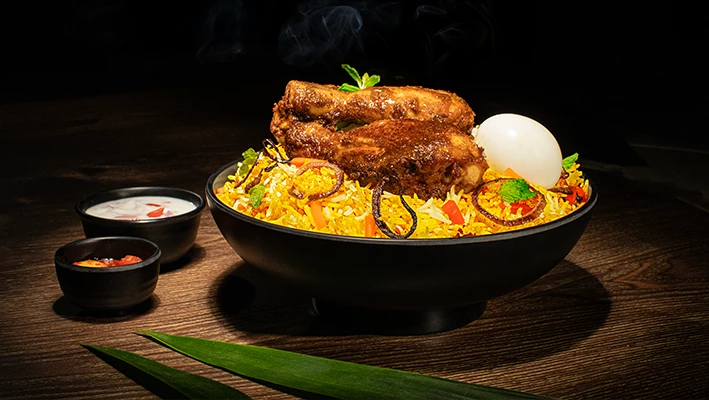
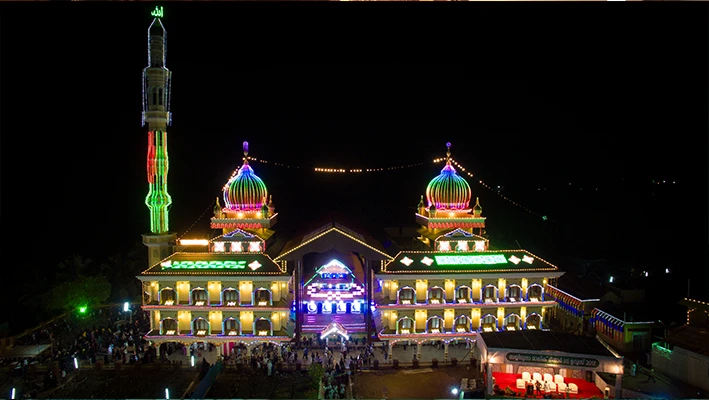
The Mappila folk festival known as nercha or Urs, closely resembles Hindu festivals in many aspects. The primary difference lies in the chanting and prayers, as each community follows the traditions of its own faith. However, the social and economic significance of such festivals and nerchas remains the same. One distinctive feature of nerchas is the distribution of food to the poor, making them stand out as charitable gatherings. For the local people, these festivals serve as centers of economic activity, where household items are traded, and every home, regardless of religious background, actively participates in the celebrations.
The Kondotty nercha, held in honor of Mohammad Shah (d. 1766-67), is a symbol of interfaith harmony. Mohammad Shah was known for his friendship with Hindu devotees (swamis), and his hospice was built near their residence, known as Swami Mutt. The swamis actively took part in the nerchas, and to this day, their descendants offer a silver flag to his dargah during the festival. Goldsmiths and members of marginalized communities, such as harijans, shared a close bond with the Thangal. During the festival, two grand processions (pettivaravu) are led—one by the goldsmiths and the other by the harijans, reinforcing the spirit of inclusivity.
Another significant festival, the Appa Vanibham nercha (Bread Festival), is held in honor of Shaikh Mamukkoya (d. 1562). This festival is revered by all communities, as people from different religious backgrounds offer bread at his dargah and place coins in the offering box to seek blessings. Such traditions of communal participation are seen in all Mappila festivals, which have historically served as bonds of interfaith harmony in their respective localities. The Muslim mystics and sayyids in whose names these festivals are celebrated had established a legacy of peaceful coexistence among different religious groups. The stories of the Bheemapalli saint and Kanjiramittam also reflect a long tradition of Hindu-Muslim unity in southern Kerala.