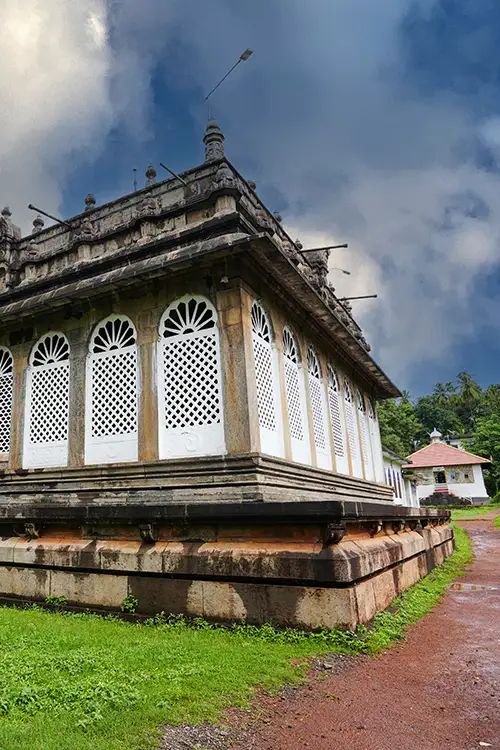
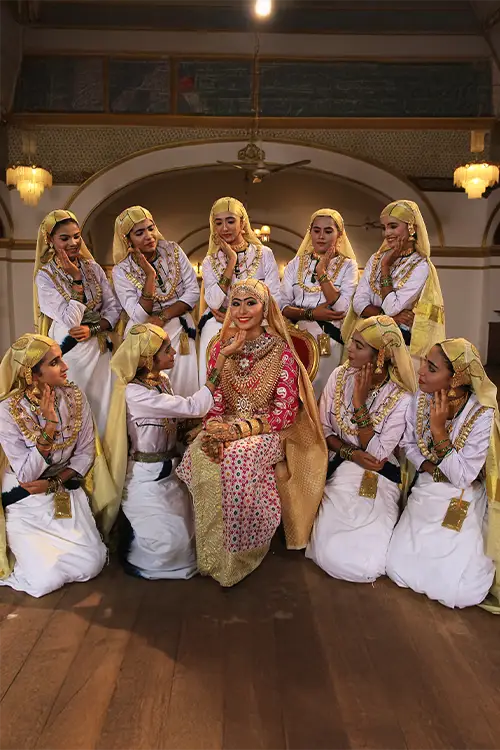
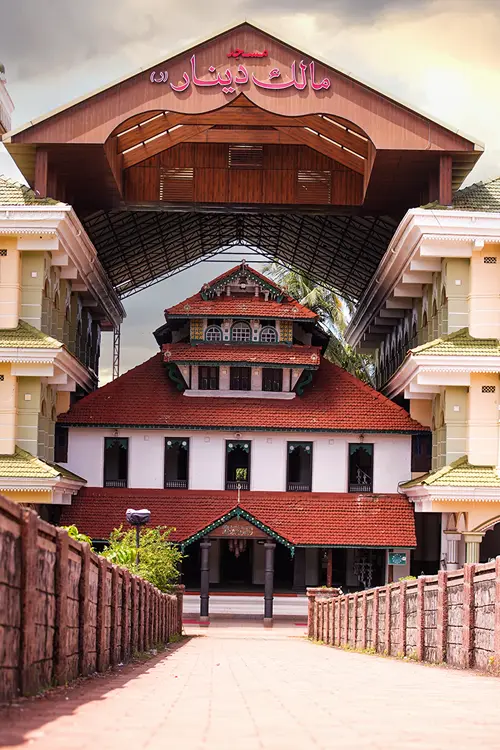
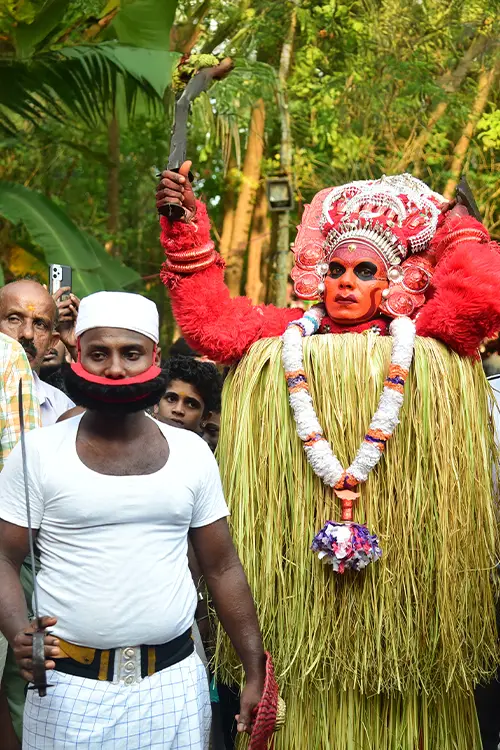
Hindu and Muslim communities in Kerala have historically been economically interdependent, forging partnerships in trade, agriculture, and artisanal crafts. The history of Hindu-Muslim harmony in Kerala is a testament to the region’s cultural inclusivity and pluralism. Rooted in mutual respect and shared cultural practices, this relationship has shaped Kerala into a model of communal harmony.
Keralite Muslims developed their distinct cultural identity within the Kerala milieu, which is why Mappila Muslims stand unique from their counterparts in other parts of the country. The Sufis, who embraced service as their mission, extended their support to the people and respected the prevailing religious customs. Religious freedom was widely practiced, and conversions did not disrupt mutual respect. Differences among religions were minimal, and Islam provided refuge to the downtrodden when they found no place within the Brahmanical system.
The common people followed the example of their rulers and viewed Muslims as allies who accepted the authority of the Rajas. The legend of Lord Ayyappa and his Muslim friend Vavar continues to resonate in the minds of Keralites. Their places of worship remain important pilgrimage centers, reflecting the deep-rooted respect for both figures.
Many Hindu festivals in Kerala exemplify Hindu-Muslim unity, with both communities participating enthusiastically. The only distinction lies in their respective religious practices, which they continue to observe independently. This mutual respect is also evident among workers and peasants, as religious differences never hindered their coexistence.
The story of Kunhayan Musliyar and his close friendship with a minister of the Zamorin highlights how even the elites of both communities lived together in harmony. The Muslims of Calicut, known as Koyas, played a significant role in supporting the Zamorins in expanding their empire. Additionally, the Muslim judge, the Qazi of Kozhikode, held a prominent position in the Zamorin’s administration, further underscoring the deep integration of the two communities.
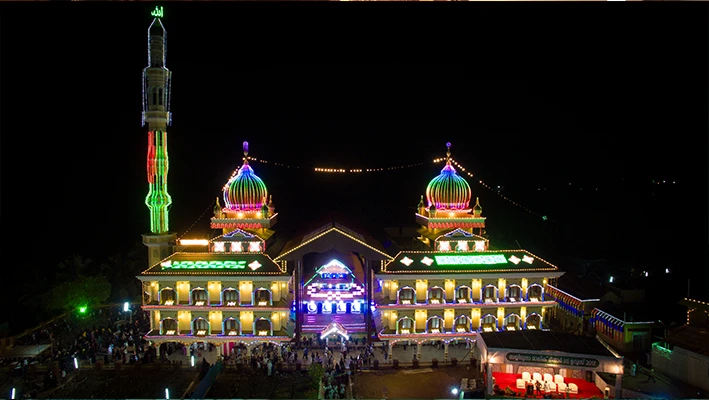
One of the most significant aspects of Mappila folk culture, where Hindu-Muslim rapprochement is most evident, is the veneration of saints and mystics. Honoring saints and holy figures, whose tombs serve as pilgrimage sites, is deeply ingrained in popular Islamic traditions. Large gatherings, particularly on the birth and death anniversaries of these revered figures, are common. In rural Muslim communities, both living and deceased saints play a crucial role in social and cultural life. Their khanqahs (monasteries) or dargahs(mausoleums ) become centers of hope and refuge. People, regardless of religious background, make offerings and pray at these shrines for various blessings—sufficient rainfall, protection from locusts, abundant harvests, business prosperity, etc.