Among coastal Mappilas, a matrilineal system is traditionally followed, with family lineage traced through the daughters. The bride continues to live in her family’s house (Tharavad), and husbands visit their wives or choose to reside with them. In contrast, rural Mappilas adhere to a patrilineal system, where the wife moves into her husband’s house, often experiencing more limited freedom.
In the coastal regions of Malabar, as it was customary for the bridegroom to reside in the bride’s house after marriage, a special room, lavishly decorated, was designated for the couple. This tradition, known as Ara Chamayikkal, was a significant part of the marriage rituals and often incurred substantial expenses, with the financial responsibility falling primarily on the bride’s parents.
In earlier times, marriage brokers were predominantly women, as male brokers were not permitted to see the bride. Marriage ceremonies differed between patrilineal and matrilineal households, with coastal marriages often being more elaborate and expensive.
The marriage celebrations typically spanned several days and were marked by a festive atmosphere. Guests were treated to an assortment of snacks and delicacies, reflecting the community’s emphasis on hospitality and grandeur during such occasions.
The first formal event in the marriage process was the betrothal ceremony, involving the elders from both the bride’s and groom’s families. This was followed by the invitation process, starting with visits to family members from the same Akam (household).
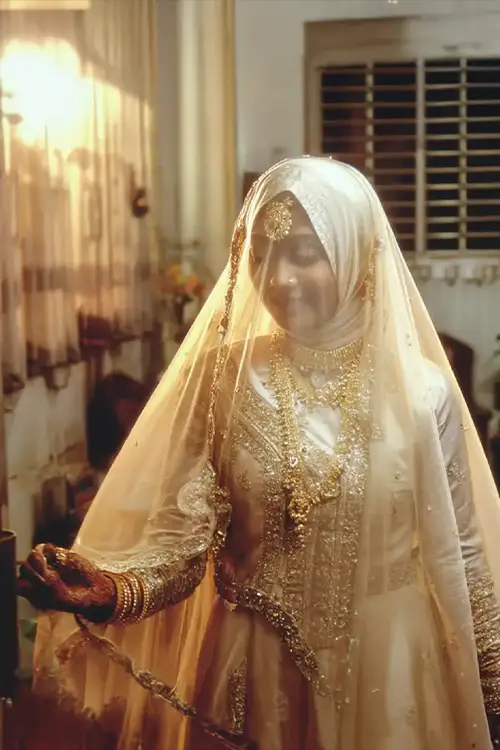
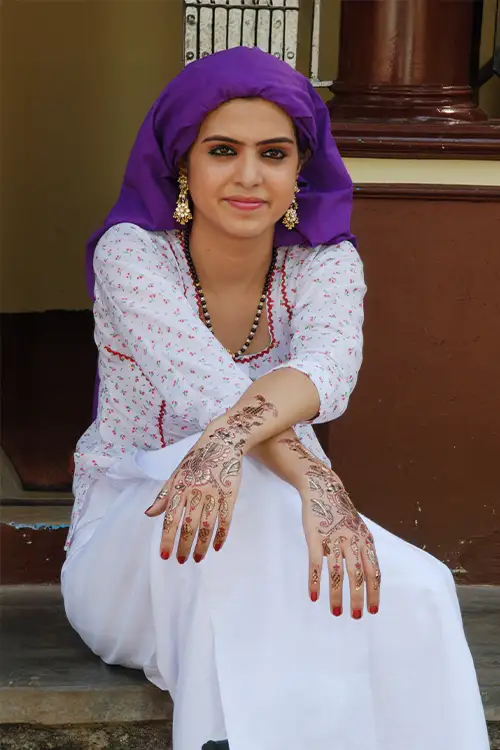
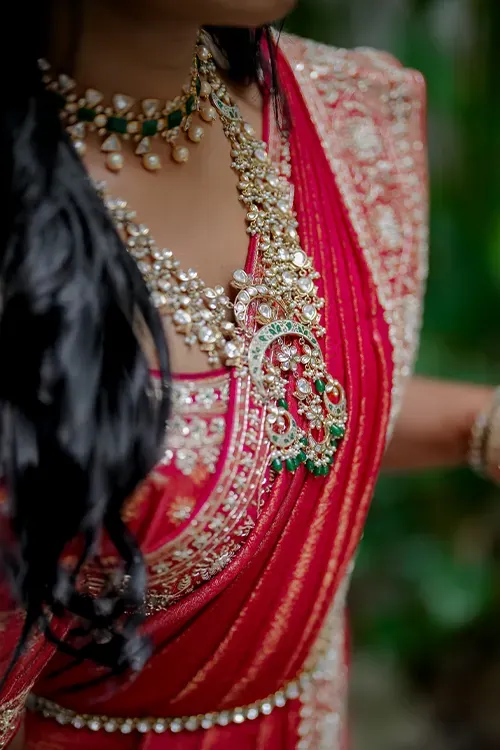
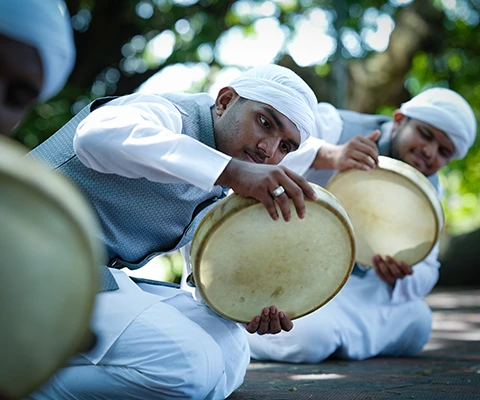
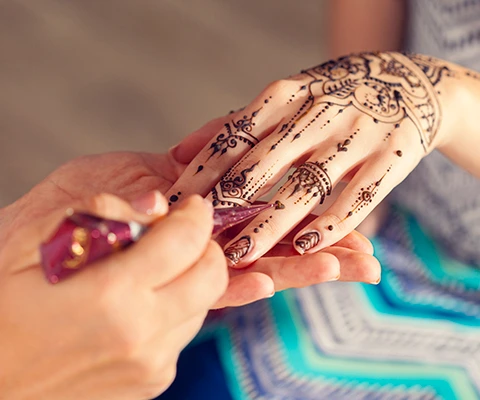
One of the key pre-wedding ceremonies was Vettilakkettu, which involved preparing betel leaves, areca nuts, and tobacco leaves for the guests. During this event, an orchestra was arranged, and food was distributed. Meanwhile, women gathered behind the house for a special ritual where the bride was adorned in new clothes. Elders applied henna to her hands and feet in a vibrant ceremony known as Mylanchi Kalyanam (Henna Marriage), marking an important cultural and festive milestone.