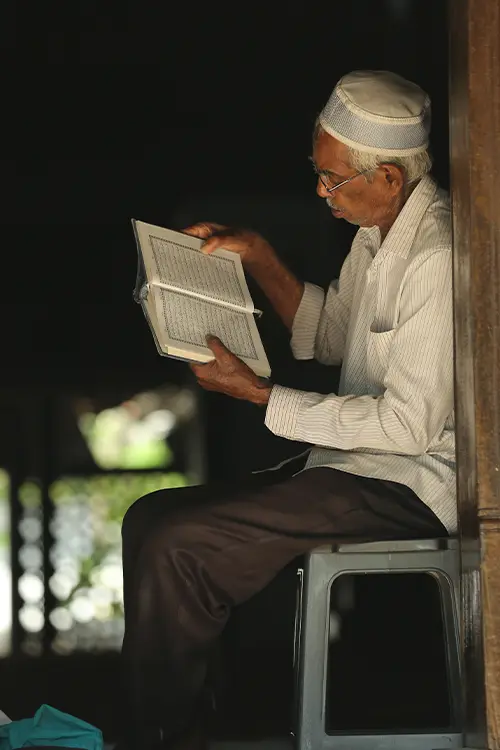
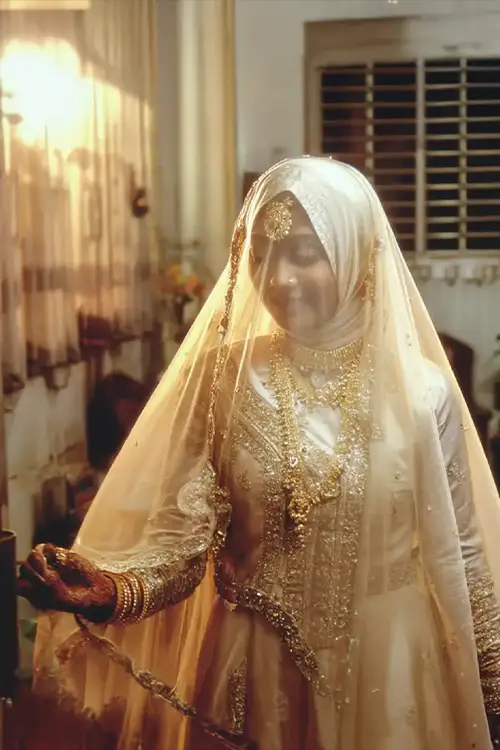
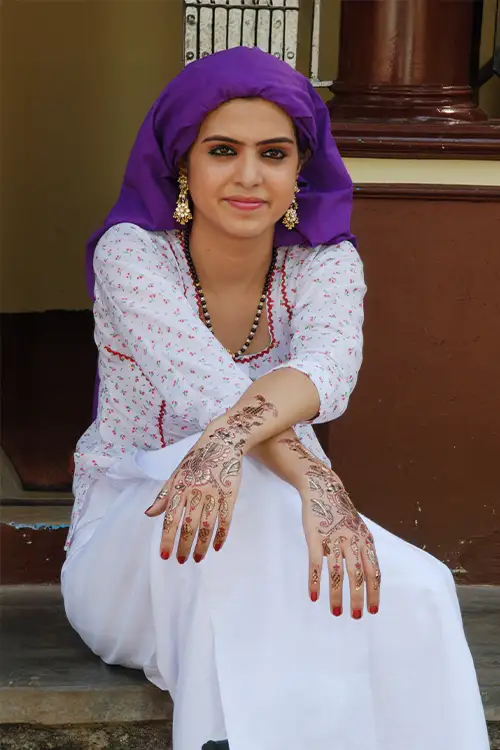
From pregnancy to birth, the Mappilas follow distinct rituals and ceremonies that set them apart from Muslims in other parts of the world. While closely aligned with Islamic traditions, these practices are deeply influenced by the customs of Kerala society. When a woman in the family becomes pregnant, the entire family celebrates with great joy. Sweets are distributed, and special prayers are offered to mark the occasion. Upon the birth of the baby, it is customary for the grandfather to recite the adhan (call to prayer) into the baby’s ears, symbolizing the child’s formal introduction to the Islamic faith.
The mother and mother-in-law take special care to ensure the well-being of the pregnant woman. When the pregnancy reaches seven months, the woman’s family visits the bridegroom’s house with fruits, clothes, and other gifts. This ceremony, known as 'palla kanal' (seeing the belly), symbolizes familial support and blessings.
The first delivery typically takes place at the woman’s parental home, where she is lovingly cared for by her relatives. After the birth, a messenger delivers the news to the husband’s family. The husband and his relatives then visit the woman and the newborn, bringing gifts as a gesture of joy and support.
On the seventh day after the baby’s birth, a special ceremony is held to remove the baby's hair. This ritual is often accompanied by charitable acts, such as donating gold equal to the weight of the removed hair or sacrificing a bull and distributing its meat among relatives and the needy. This practice, known as mudi kalachil (removing hair) or aqiqah (sacrifice), holds significant religious and cultural importance.
The baby is usually named on the seventh day, often in honor of a grandparent. In some communities, a special naming ceremony is held, during which relatives visit the baby and mother, bringing gifts such as baby clothes, powders, soaps, and other essentials.
A nurse, locally known as Pettichi, stays with the mother to assist in daily tasks like bathing the mother and child. Furthermore, a servant is often employed for 40 days to provide additional care. In less affluent families, this care is typically provided by female relatives, such as the new mother’s mother or sisters.
On the 40th day after delivery, a special cleansing bath known as Nalpathinte Kuli (Bathing on the Fortieth Day) is performed, symbolizing the mother’s return to normal life. Additional ceremonies are held on the 60th and 90th days, after which the mother and child are taken to the bridegroom’s home. These rituals, blending Islamic traditions with Kerala’s cultural nuances, highlight the unique identity of the Mappilas in marking life’s milestones. Despite the influence of modernity, these practices remain a cherished part of their heritage.