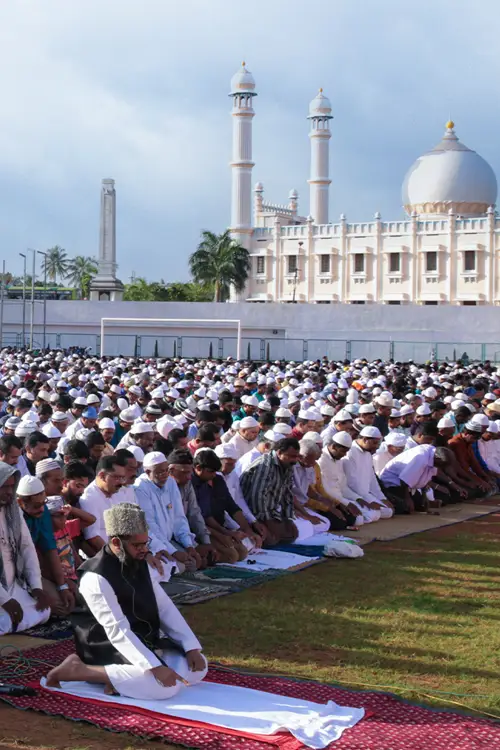
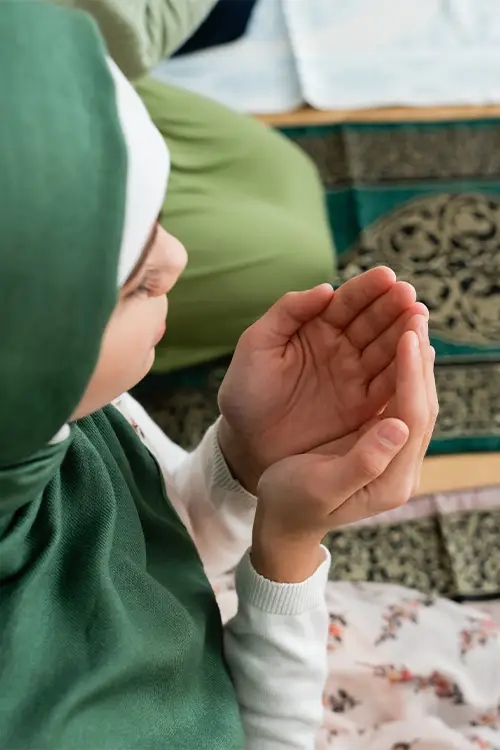
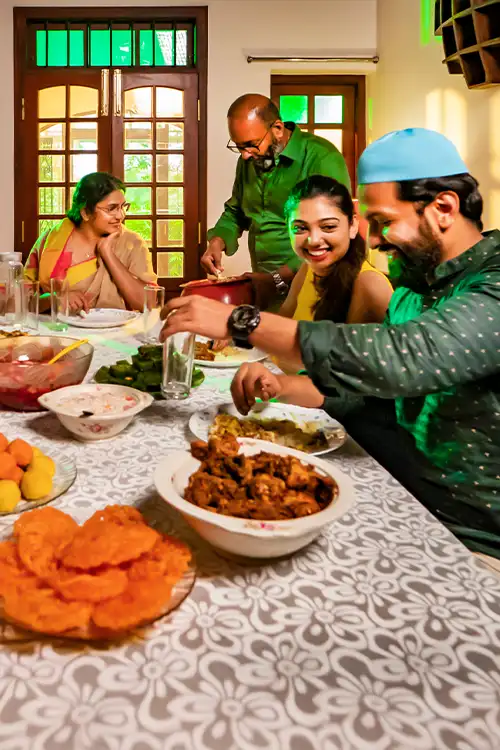
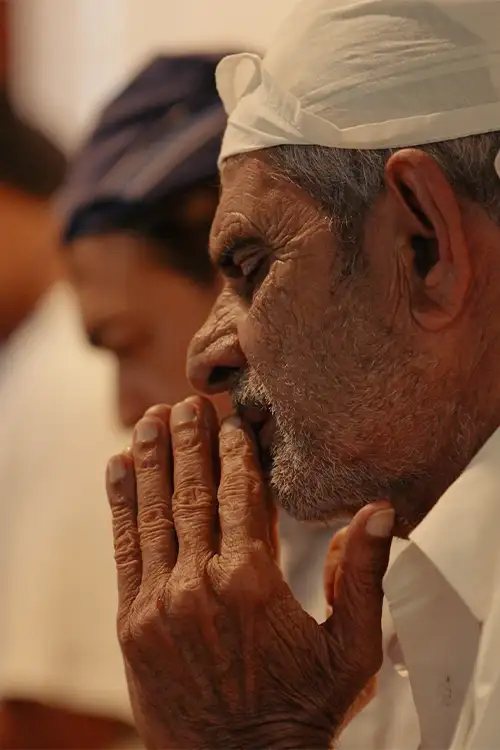
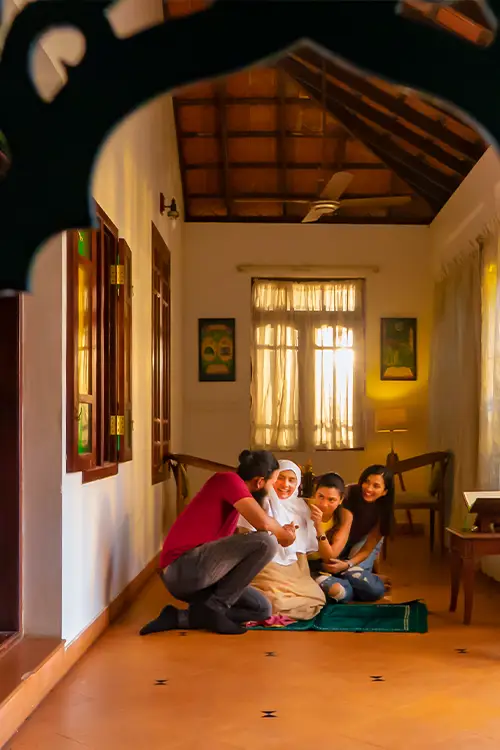
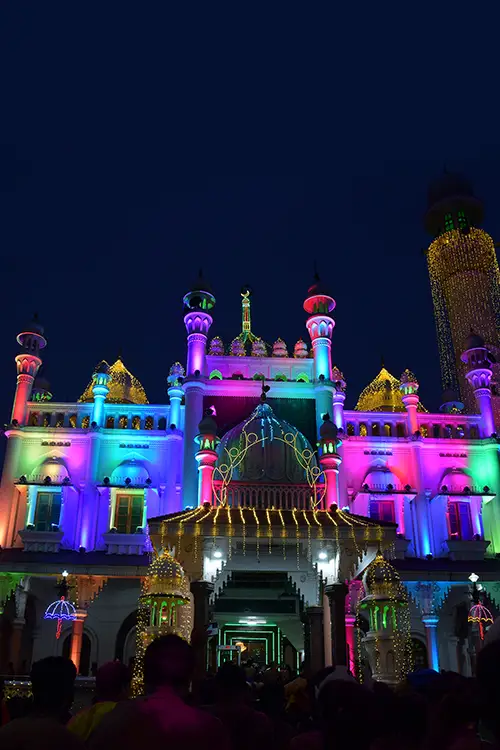
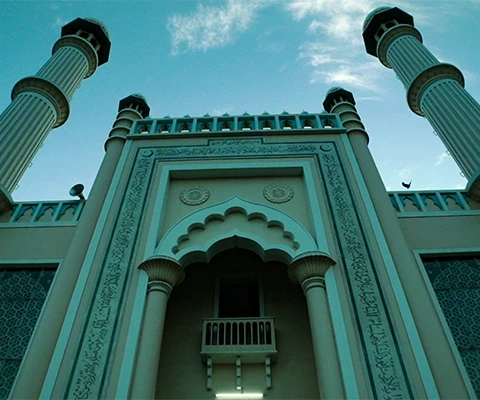
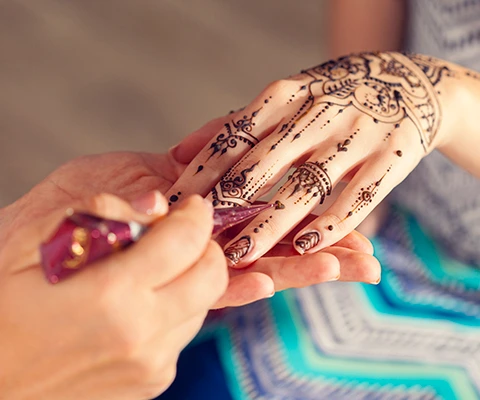
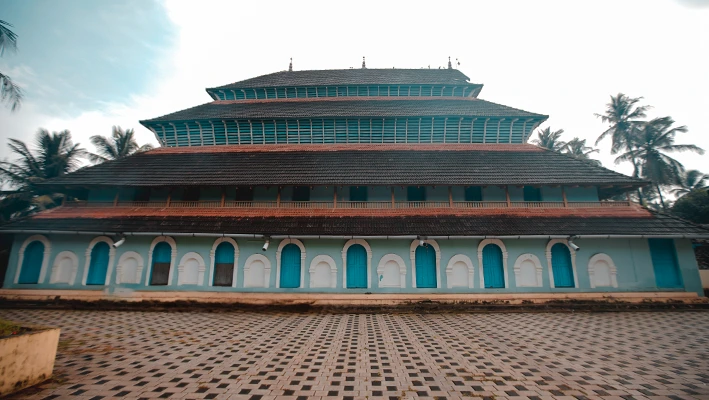
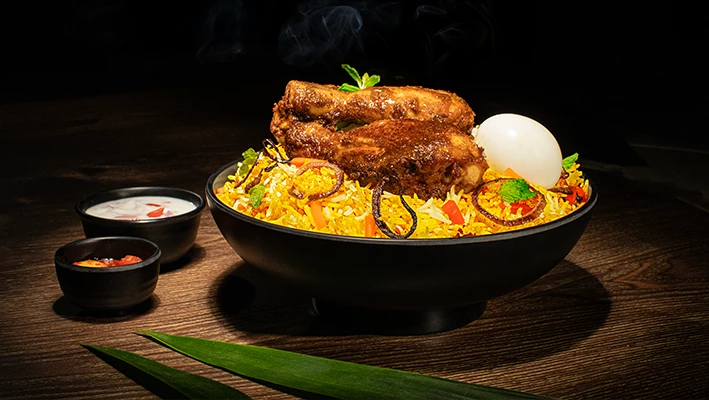
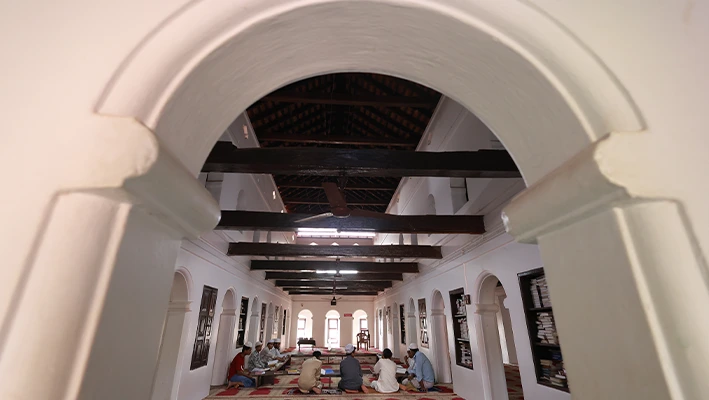
Eid al-Fitr, known as Cheriya Perunnal among the Mappila Muslim community in Kerala, marks the end of Ramadan, the holy month of fasting. It is a time of celebration, gratitude, and communal bonding. While the core religious practices of Eid al-Fitr remain consistent with global Islamic traditions, the Mappila community has infused the festival with cultural elements unique to Kerala. In the days leading up to Eid, Mappilas prepare by engaging in acts of charity, known as Zakat al-Fitr, to ensure that even the less fortunate can partake in the celebrations. Homes are cleaned and decorated, and families shop for new clothes, a customary practice symbolizing renewal and joy. Traditional Mappila dishes are also prepared, including pathiri (a rice-based flatbread), rice, biriyani, meat dishes, sweet fritters, and other local delicacies like payasam. A special item called kulavi is made by mixing grated coconut, plantains, shallots, and palm jaggery with water. The day begins with a communal prayer at mosques or Eidgahs (open prayer grounds), where men and boys, donning white attire and caps as a symbol of purity, gather. Women participate in the prayers either at home or at designated spaces. The prayer is followed by a sermon emphasizing gratitude, forgiveness, and unity.
After the prayers, Mappilas greet one another saying “Eid Mubarak” and visit the graves of their loved ones to offer prayers and remember the departed. This reflects the Mappila community's reverence for family and ancestry.
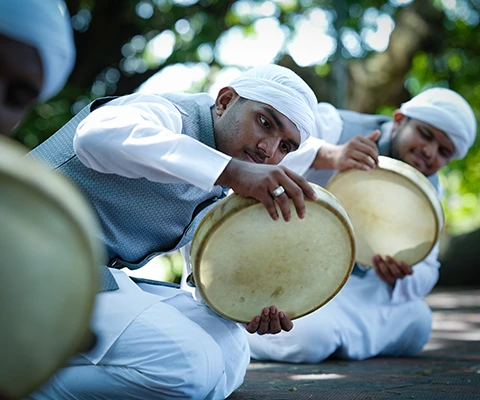
The Mappila observation of Eid al-Fitr is deeply rooted in Kerala's cultural ethos. Community feasts are a common feature, where neighbors, regardless of religion, are invited to partake in the celebrations. Sharing food and exchanging gifts are central to the festivities, fostering a sense of togetherness and harmony. Traditional Oppana performances, Kolkali, Parichakali, and other local amusements are sometimes organized as part of the celebrations, especially in rural areas. Such performances add a festive flair and showcase the cultural heritage of the community. What sets the Mappila observation of Eid al-Fitr apart is the integration of Kerala's unique cultural diversity. The festival becomes a bridge for interfaith interaction, with non-Muslims often participating in the festivities. This inclusivity reflects the syncretic nature of Kerala's social fabric.