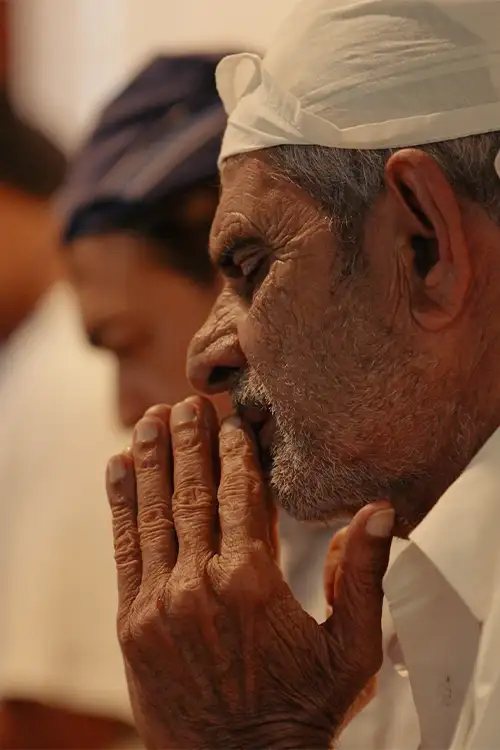
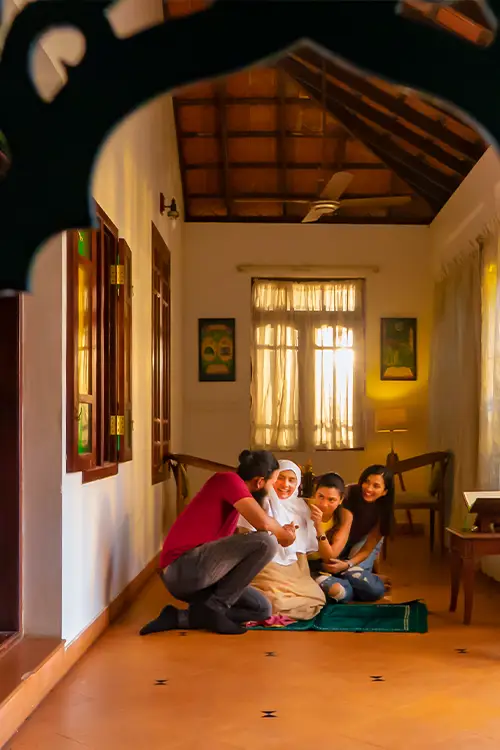
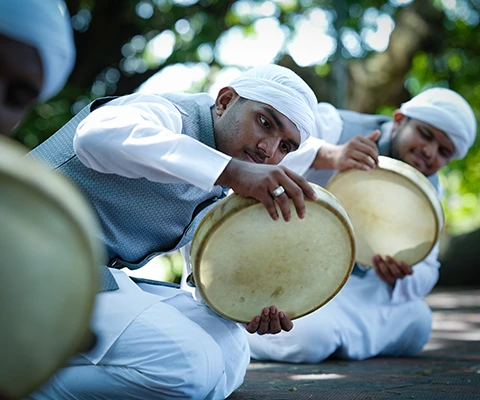
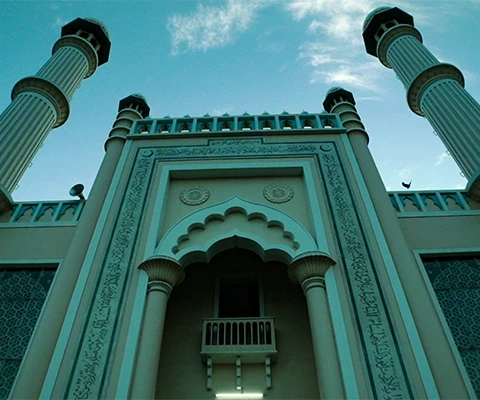
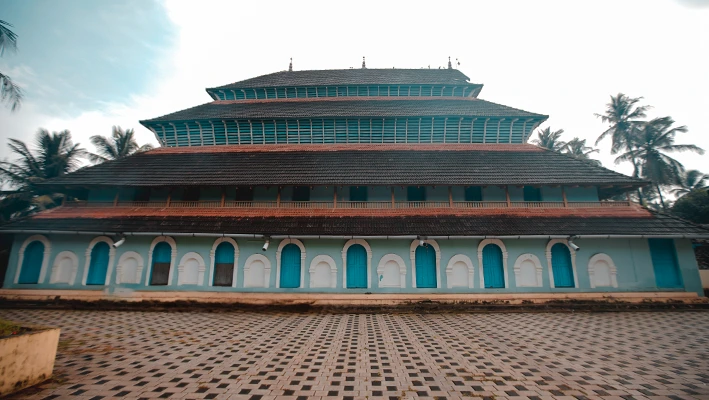
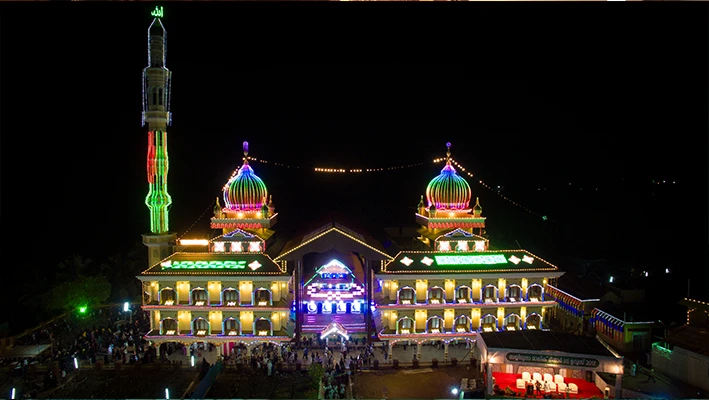
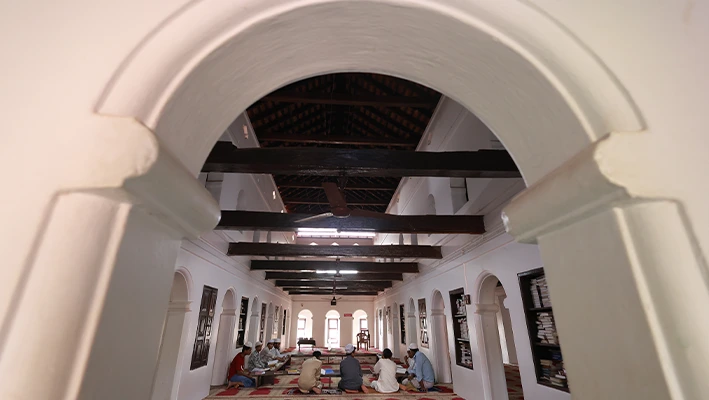
A nercha is an annual celebration honoring the life of a saint or martyr, often held on the anniversary of their death at their tomb or shrine, known as a dargah or maqam. Translated as "vows" or "the act of taking a vow," devotees make offerings at the maqam in exchange for blessings or intercession from the sheikh or shahid interred at the dargah. Mappilas believe their martyrs are not truly dead but remain with Allah. While the martyrs are not considered divine, they are viewed as close to God, capable of interceding or recommending on behalf of those who pray at their shrines.
Nercha is observed in two distinct ways. One type is celebrated with pomp and festivity, resembling a local festival like Pooram. The other follows a purely religious approach, marked by religious observances and rituals. The nerchas of Kondotty, Malappuram, Puthiyangadi, and Pattambi are celebrated in the former manner, while the nerchas of Mamburam, Jifri Maqam, and Puthan Palli are observed in a strictly religious way.
While the veneration of Muslim saints, particularly Sufi saints, exists in several traditions beyond Kerala, the rituals of nerchas in Kerala are influenced by the worship of local folk deities. These practices draw from indigenous folk traditions and share similarities with velas (indigenous festivals) and poorams (Brahminic festivals) celebrated by non-Muslims in Kerala. Like Hindu festivals, nerchas are often seasonal and tied to the harvest. Their ceremonies often include processions (varavus), musical and theatrical performances, fireworks, and in some cases, elephant processions.
Despite conversion to Islam, the Muslims of Kerala retained aspects of their indigenous culture and performative traditions, modifying them to align with their new faith. Non-Muslim social groups continue to play specific roles in nerchas. For example, Dalits carry and ignite ceremonial cannons during the Kondotty nercha, or carry bread baskets during the varavu of the Malappuram nercha. Similar roles for oppressed caste groups are also found in Hindu poorams.
Musical performances during Varavu are often conducted by Hindu temple musicians, showcasing a confluence of cultural traditions. In the Theruvathpalli nercha, it is believed that the leaves of a particular tree turn sweet at night and acquire curative powers, reflecting indigenous spiritual beliefs. Similarly, in the Kondotty Nercha, the oil used to clean the cannons fired during the event is thought to have healing properties, much like the sacred oils from Hindu temples. The holy men buried in the shrine are honored through poems and Maulids, with numerous miracles attributed to them.