Long before travellers began arriving with smartphones and social media checklists, Athirappilly had already become famous.
Not through guidebooks. Not through tourism campaigns.
But through cinema. Here are a few popular movies :
Param Sundari (Hindi)
Bhoot Bangla (Hindi)
Dil Se (Hindi)
Iruvar (Tamil)
Guru (Hindi)
Raavan (Tamil)
Ponniyin Selvan: I (Tamil)
Pushpa 1 (Telugu)
Pushpa 2 (Telugu)
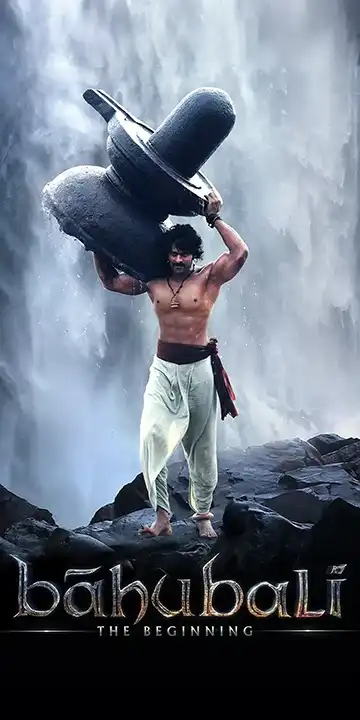
Bahubali 1 (Tamil, Telugu)
For decades, one waterfall in Kerala has quietly played more roles than most actors.
It has been a backdrop for romance and rebellion, for myths and memories, for heroes chasing destiny and lovers discovering each other in the rain. Across Hindi, Tamil and Telugu cinema, Athirappilly has appeared so often—and so memorably—that generations of Indians have seen it on screen long before they ever stood before it in person.
Some film locations become famous because audiences visit them.
Athirappilly became famous because audiences watched it.
The waterfall's cinematic journey stretches across decades and genres. In Mani Ratnam's Iruvar, its lush landscapes added grandeur to a sweeping political drama. In Dil Se, Athirappilly became immortal through the song "Jiya Jale," where mist, water and romance merged into one of Indian cinema's most iconic visual sequences. Mani Ratnam returned to the falls once again in Guru, where "Barso Re" transformed the landscape into a celebration of monsoon joy, movement and freedom.
Years later, the director revealed a darker side of the same terrain in Raavan. Here, Athirappilly's forests, cliffs and cascading waters became an extension of the story itself—wild, unpredictable and emotionally charged.
The waterfall's ability to transform itself has made it a favourite with filmmakers across generations. In Ponniyin Selvan: I, it helped evoke the grandeur of a distant historical world. In Baahubali: The Beginning, director Rajamouli elevated the falls into myth, turning them into the impossible barrier that separated Sivudu from his destiny. For countless viewers, Athirappilly is not merely a waterfall—it is the legendary cascade that inspired one of Indian cinema's most unforgettable quests.
Even contemporary productions continue to return here. The Hindi song "Pardesiya” in “Param Sundari," celebrating a romance between a North Indian man and a South Indian woman, uses Athirappilly's dramatic beauty to heighten its playful cultural contrast. Newer productions, from big-budget entertainers to fantasy adventures, continue to discover what filmmakers have known for decades: Athirappilly is never merely a location. It is a character. And these are not the only movies to have been shot there. Athirappilly has been featured in plenty of Malayalam movies too.
Perhaps that is why the waterfall remains timeless on screen. The mist changes. The light changes. The stories change. But Athirappilly continues to offer filmmakers something increasingly rare—an authentic landscape that already feels larger than life.
How to Reach
By Road: Chalakudy KSRTC Bus Stand, about 31 km away | Chalakudy Private Bus Stand, about 31 km away
By Flight: Cochin International Airport, about 41.2 km away
By Rail: Chalakudy Railway Station, about 32.3 km away
Contact
Palace Road, Chembukkavu, Thrissur
+91 487 2320800
info@dtpcthrissur.com
Popular Movies Shot at This Location









Photos


