Bekal Fort does not merely sit beside the Arabian Sea. It seems to rise from it — weathered, watchful, and cinematic in ways few locations can replicate.
Long before filmmakers discovered its visual power, Bekal Fort stood guard over Kerala’s northern coastline. Built in the 17th century by Shivappa Nayaka of the Keladi Nayaka dynasty, the fort later passed through the hands of Hyder Ali, Tipu Sultan, and eventually the British East India Company, carrying within its laterite walls the memory of battles, sea trade, and shifting empires.
Even today, the fort retains that sense of authority. Massive ramparts rise dramatically above the Arabian Sea, observation towers open toward endless horizons, and hidden tunnels cut through the stone like fragments of unfinished stories. Waves crash endlessly below, creating a landscape where history and nature seem locked in permanent conversation.
It was perhaps inevitable that cinema would find its way here. The movies that made Bekal famous are :
Bombay
Urumi
Madhuranombarakattu
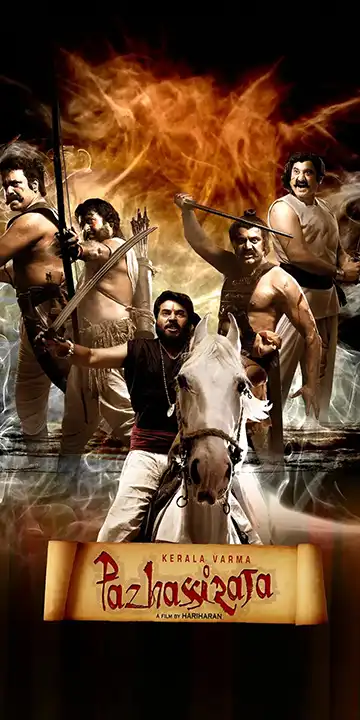
Pazhassi Raja
Bekal’s defining cinematic moment arrived in the 1990s when Mani Ratnam transformed the fort into a national visual memory through the song Uyire/Tu Hi Re from Bombay. With the evocative music of A. R. Rahman, cinematography by Rajiv Menon, and the unforgettable presence of Manisha Koirala and Arvind Swamy, Bekal ceased to be merely a historic fort in Kasaragod. It became part of India’s cinematic imagination.
The sea-facing observation tower, the tunnels, the broad ramparts, the restless wind — every element of the fort became emotionally charged through cinema. Visitors still search for the tunnel through which Manisha Koirala ran, or the lookout point where Arvind Swamy stood framed against the sea.
Malayalam cinema, too, found its own language within Bekal’s landscape. The song Dwadashiyil from Madhuranombarakattu used the fort and coastline with striking tenderness, turning the sea breeze, open skies, and weathered stone walls into part of its emotional rhythm. Over the years, several Malayalam films, music albums, and television serials have returned to Bekal because the location adapts effortlessly to changing cinematic moods.
That adaptability remains Bekal’s greatest strength. In one frame, the fort can appear deeply romantic — waves rolling gently below sunset-lit walls. In another, it becomes austere and imposing, carrying echoes of warfare and surveillance. Dawn softens the landscape into pale gold and mist, while monsoon evenings darken the laterite walls against violent seas and heavy skies.
Beyond the fort, Bekal’s coastline extends into beaches, fishing settlements, coconut groves, and quieter inland stretches, allowing filmmakers to move between visual worlds without leaving the region. The openness of the landscape gives frames room to breathe, while the meeting of sea and stone creates a visual drama that rarely needs embellishment.
Yet what truly distinguishes Bekal is atmosphere. There is a sense here that history never fully receded. The wind moving through the fort still feels ancient. The Arabian Sea continues to strike the walls with the same force it did centuries ago. Cinema did not create Bekal’s grandeur — it simply revealed it to a wider audience.
Today, Bekal remains one of Kerala’s most enduring film locations because it offers more than beauty. It offers scale, memory, mood, and a landscape where romance and history coexist beneath salt, stone, and sky.
How to Reach
By Road: Bekal Bus Stand — around 2 km away
By Flight: Mangaluru International Airport — around 74 km away
By Rail: Kasaragod Railway Station — around 16 km away
Contact
Vidya Nagar, Kasaragod - 671123
+91 499 4256450
info@dtpckasaragod.com
Popular Movies Shot at This Location



Photos


