Padmanabhapuram Palace stands near the Kerala–Tamil Nadu border like a surviving fragment of Travancore's royal memory. Though located in present-day Tamil Nadu, the palace continues to be owned and maintained by the Government of Kerala, reflecting its enduring connection to the erstwhile Kingdom of Travancore.
Originally known as Kalkulam Palace, the earliest sections of the complex date back to the sixteenth century. The palace reached its most significant phase during the reign of Maharaja Marthanda Varma, whose consolidation of Travancore transformed it into both a seat of power and a symbol of cultural refinement.
A defining moment came in 1750 with the historic Thrippadidanam, when the kingdom was dedicated to Lord Padmanabha. Following this sacred act, the capital came to be known as Padmanabhapuram.
Today, the palace remains one of the finest surviving examples of traditional Kerala architecture. Built largely of teak and rosewood, it unfolds through sloping tiled roofs, open courtyards, carved ceilings, polished wooden corridors and intricate latticework. Every space reflects a remarkable understanding of climate, craftsmanship and courtly life.
Yet beyond its historical significance, Padmanabhapuram Palace possesses something filmmakers value deeply: authenticity. These are the movies that made the structure famous on silverscreen.
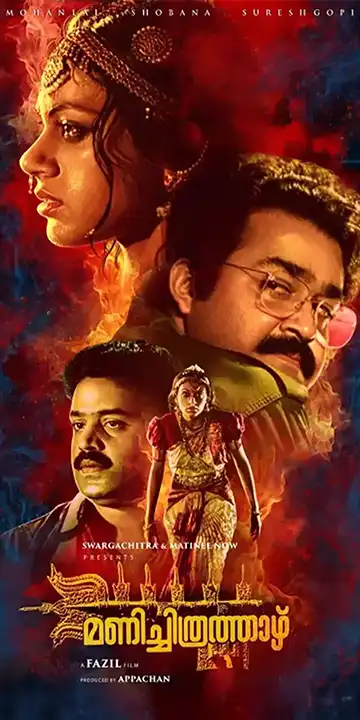
Manichithrathazhu
Varsham 16
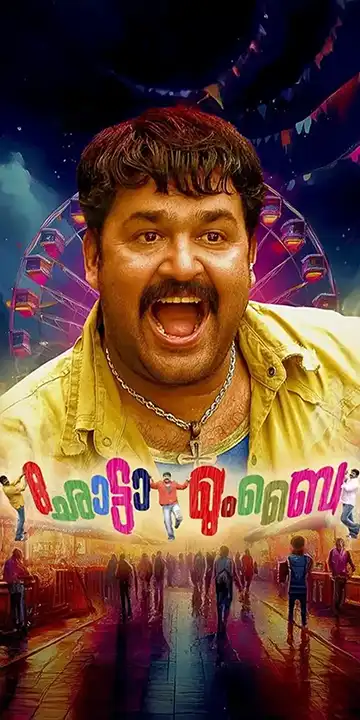
Chotta Mumbai
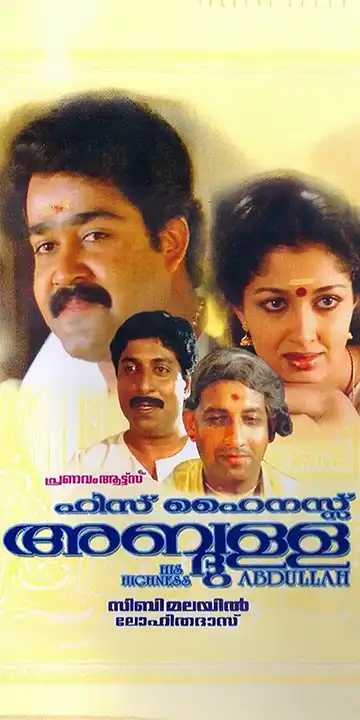
His Highness Abdullah
Pingami
Dreamz
Kaliyonjaal
Edavapathi
Unlike constructed film sets, the palace carries the texture of lived history. Light filters through wooden screens. Shadows stretch across polished floors. Silent courtyards seem suspended outside time. For directors seeking period realism, few locations in South India offer such a complete visual world.
One of its most memorable cinematic associations is with ‘Manichitrathazhu’. The iconic song ‘Oru Murai Vanthu Paarthaya,’ filmed at the Saraswathi Mandapam within the palace complex, used the interplay of wood, light and stillness to heighten the sequence's haunting beauty. The palace became more than a backdrop—it became part of the film's emotional landscape.
The royal ambience of Padmanabhapuram has also found expression in films such as ‘His Highness Abdullah’. Over the decades, numerous Malayalam films, documentaries and television productions have drawn upon its timeless atmosphere, helping shape how Travancore itself is imagined on screen.
What distinguishes Padmanabhapuram cinematically is not grandeur but intimacy.
Its power lies in details: a shaft of sunlight through latticework, the glow of oil lamps on polished wood, the quiet symmetry of a corridor, or the stillness of a courtyard after rain.
History does not feel distant here. The council chambers, murals, performance halls and carved ceilings continue to echo with stories of power, devotion, art and intrigue. Perhaps that is why cinema returns so often. The palace already contains a narrative of its own.
Today, filming is carefully regulated to preserve its heritage value. Yet Padmanabhapuram Palace remains one of South India's most evocative historic spaces, where architecture, memory and cinema continue to exist in quiet conversation.
How to Reach
By Road: Thuckalay Bus Stand, about 2 km away.
By Flight: Thiruvananthapuram International Airport, about 58 km away.
By Rail: Nagercoil Railway Station, about 17 km away | Thiruvananthapuram Central Railway Station, about 57 km away
Contact
Thuckalay, Kanyakumari, Tamil Nadu-629175
+91 465 125 0255
Popular Movies Shot at This Location





Photos


