Thekkady exists in Kerala’s cinematic imagination as both wilderness and atmosphere; a landscape where forests dissolve into mist, elephant trails cut through dense greenery, and the still waters of Periyar reflect changing skies with almost theatrical precision. Over the decades, the region has evolved not only into one of Kerala’s most visited tourism destinations, but also into one of its most visually adaptable film-shooting locations.
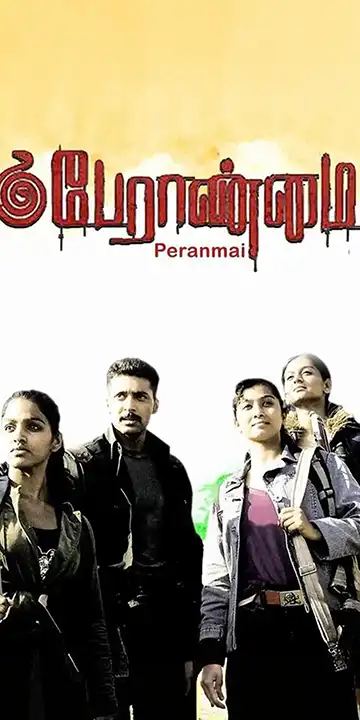
Poranmai (Tamil)
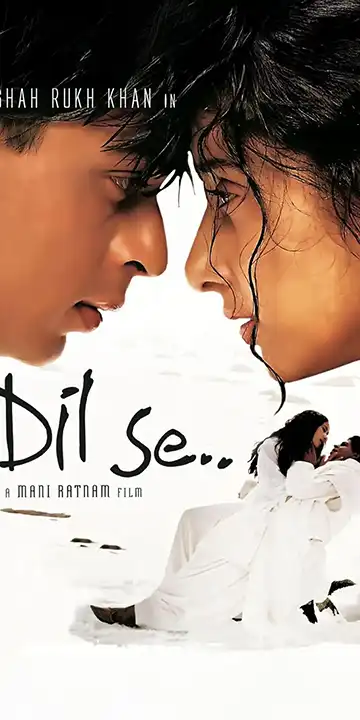
Dil Se (Hindi)
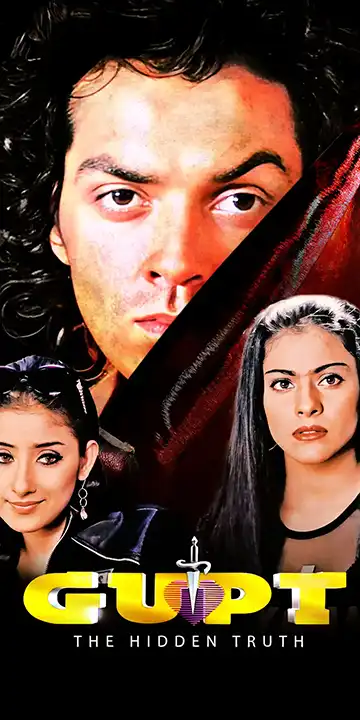
Gupt (Hindi)
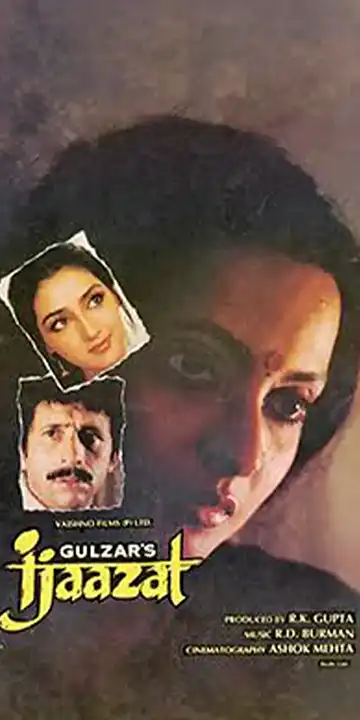
Ijaazat (Hindi)
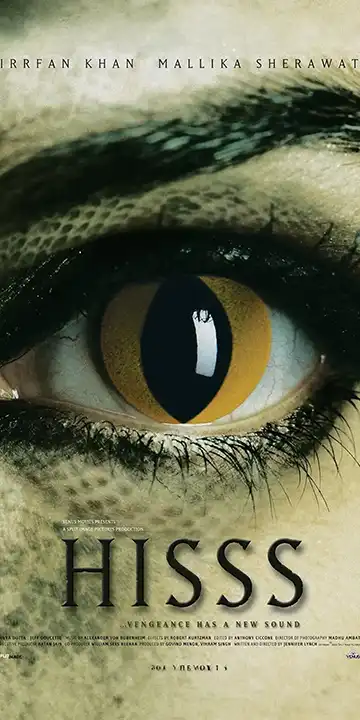
Hisss (Hindi)
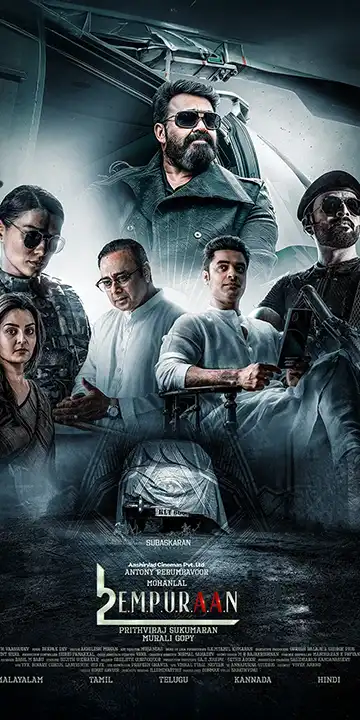
Emburan (Malayalam)
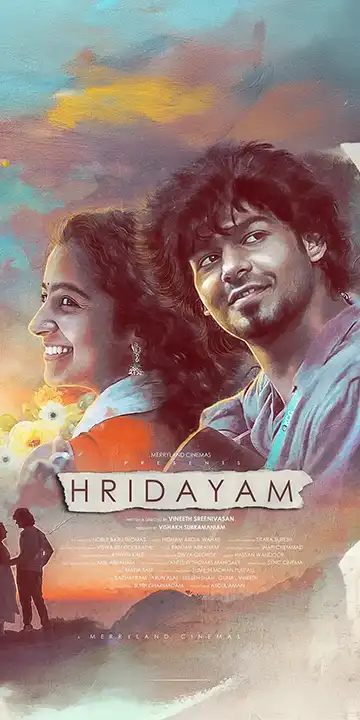
Hridyam (Malayalam)
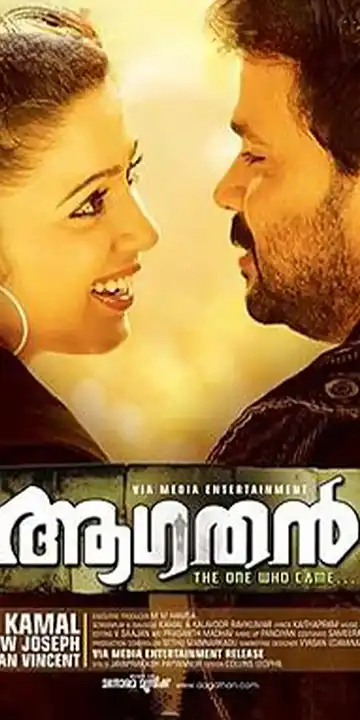
Aagathan (Malayalam)
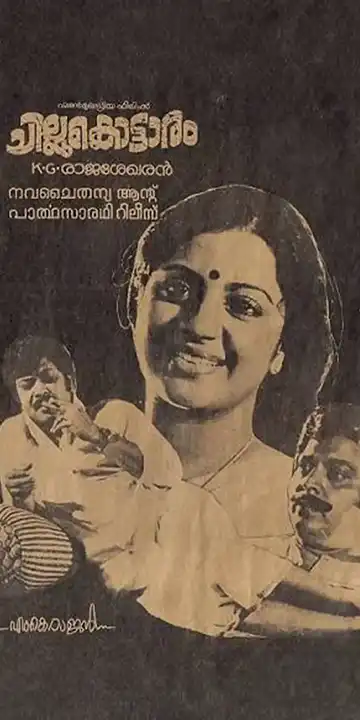
Chillukottaram (Malayalam)
Erul (Malayalam)
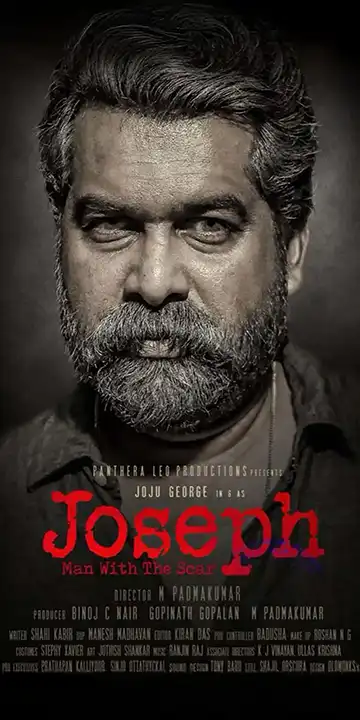
Joseph (Malayalam)
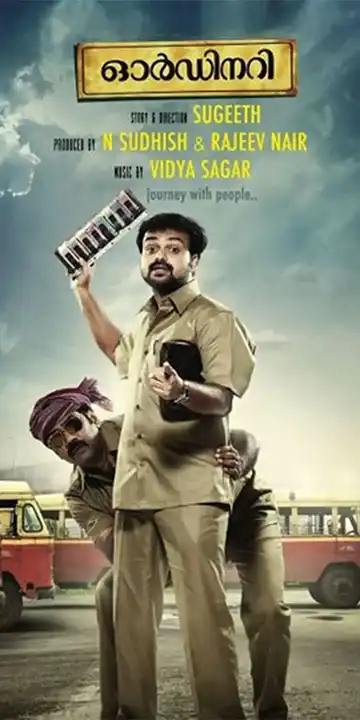
Ordinary (Malayalam)
Centred around Periyar National Park and the vast Periyar Lake, Thekkady offers filmmakers an unusual concentration of visual textures within a compact geography. Dense forests, open water expanses, spice plantations, winding hill roads, heritage structures, and elevated viewpoints coexist within short distances, allowing productions to move seamlessly between moods without disrupting visual continuity.
At the heart of Thekkady’s cinematic appeal lies Periyar Lake itself. Early mornings here often begin with mist rising slowly above the water while the surrounding hills emerge in layers through filtered light. Elephant herds move toward the banks, birds skim across reflections, and silence settles over the landscape in a way that naturally lends itself to cinema. Boat cruises through the lake have become iconic not merely as tourist experiences, but as recurring visual motifs in films that sought to capture Kerala’s wilderness at its most immersive.
Filmmakers have repeatedly responded to this atmosphere. In Dil Se.., Mani Ratnam brought audiences into the landscapes of Thekkady after the backwaters of Alappuzha. The region’s forests and lake surroundings became spaces of romance and emotional intensity, with Shah Rukh Khan and Preity Zinta framed against lush wilderness and mist-filled expanses. Thekkady, in those sequences, appeared sensual, untamed, and deeply atmospheric.
Years earlier, Ijaazat by Gulzar had already introduced Bollywood audiences to Thekkady through the haunting visual language of the song Katra Katra, featuring Rekha and Naseeruddin Shah. The camera lingered on the lake, forests, and quiet hillscapes, allowing the natural environment to become part of the emotional narrative itself.
Thekkady later appeared in films such as Gupt, where portions of the song Bechainiyan featuring Bobby Deol and Manisha Koirala were shot amid the region’s forests and lake surroundings. Tamil cinema too embraced the area; the song Sollitaley Ava Kaadhala from Kumki drew beautifully from Thekkady’s wilderness and elephant landscape. Even the Bollywood film Hisss used the forests around Thekkady during an extended shooting schedule.
Malayalam cinema has long shared an especially close relationship with Thekkady. The region’s forests, plantations, lake edges, and heritage lodges have appeared across numerous films because the terrain shifts effortlessly between romance, suspense, adventure, introspection, and folklore. The historic Aranya Nivas and the old Lake Palace introduce architectural depth into the wilderness, creating settings that feel isolated yet elegant.
What makes Thekkady especially cinematic is its emotional range. During monsoon months, the forests darken into deep greens while clouds move low across the hills, creating mystery and tension. In summer, sunlight filters sharply through the canopy, revealing clearer textures and warmer tones. Dawn on the lake feels meditative; nightfall in the forest can feel primal.
And through it all, nature remains central.
Nothing in Thekkady feels artificially staged for the camera. The forests remain alive with movement, the water changes constantly with light, and wildlife appears unpredictably within the frame. Cinema here does not dominate the landscape; it enters into conversation with it.
Perhaps that is why Thekkady continues to endure on screen. It offers filmmakers not merely scenery, but atmosphere; a living landscape where wilderness, silence, romance, and mystery coexist within the same frame.
How to Reach
By Road: Kumily Bus Stand, about 2 km away.
By Flight: Cochin International Airport, about 158 km away
By Rail: Kottayam Railway Station, about 101 km away.
Contact
Field Director (Project Tiger), Office of the Field Director, S. H. Mount, Kottayam - 686006
Deputy Director (Periyar East), Periyar Tiger Reserve, Thekkady, Idukki - 685536
+91 486 922 2027
fd@periyartigerreserve.org
Popular Movies Shot at This Location

Photos


