Vagamon feels like a place caught between a fading memory and a moving cloud; hills rolling endlessly into mist, pine forests whispering in the wind, and valleys dissolving into light before your eyes fully settle on them. Unlike hill stations crowded by commerce, traffic, and selfie points, Vagamon still breathes slowly. There is space here; for silence, for weather, for cinema. The roads curve without urgency, the skies remain wide open, and every frame seems to arrive already composed by nature itself.
Perhaps that is why so many films feel at home here. Here's a list :
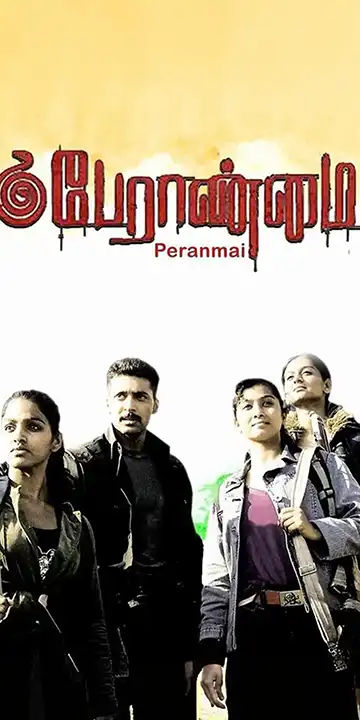
Peranmai (Tamil)
Jilla (Tamil)
Paiyaa (Tamil)
Panjaa (Telugu)
Lucifer (Malayalam)
Drishyam 3 (Malayalam)
Iyobinte Pusthakam (Malayalam)
Varathan (Malayalam)
Chocolate (Malayalam)
One of the most unforgettable cinematic moments associated with Vagamon arrives in Iyobinte Pusthakam. In the film, the hills do not merely exist as scenery; they carry emotional weight. Mist moves slowly across plantations, silence settles heavily over the landscape, and the mountains seem to absorb the loneliness, tension, and buried memories of the characters themselves. Vagamon becomes a place where beauty and melancholy coexist within the same frame.
Tamil cinema discovered a different mood here. The song Adada Mazhaida from Paiyaa transformed the misty slopes into a space of romance and movement. Karthi and Tamannaah Bhatia move through fog-covered hills, winding roads, and lush meadows while the landscape softens around them almost like a dream. The hills themselves seem to sway with the music.
Bollywood too found its own visual language in Vagamon. In Alone, the rolling green slopes and drifting mist became part of the film’s sensual atmosphere. The landscape appeared intimate, isolated, and emotionally charged all at once. Later, The Blueberry Hunt used the same hills very differently; colder, quieter, and more unsettling, proving how dramatically Vagamon can shift mood depending on the story being told.
That adaptability remains Vagamon’s greatest cinematic strength.
Morning fog settles gently over the valleys while sunlight breaks slowly across the grasslands. By afternoon, clouds race across the hills, reshaping the landscape every few minutes. During monsoon months, the slopes glow in vivid green, while winter introduces softer tones and longer shadows. Directors do not merely shoot landscapes here; they work with weather, silence, movement, and mood.
And yet, Vagamon never feels theatrical.
The hills remain calm even when cinema passes through them. Pine forests continue to whisper in the wind. Tea plantations hold their quiet geometry against the slopes. Roads disappear into mist exactly as they always have.
Perhaps that is what lingers most about Vagamon on screen; the feeling that the mountains are never performing for the camera. They are simply existing, patient and timeless, while stories briefly move across them like drifting clouds.
How to Reach
By Road: Vagamon Bus Stand
By Flight: Cochin International Airport, about 95 km away
By Rail: Kottayam Railway Station, about 65 km away
Contact
Civil Station, Kuyilimala, Painavu P.O., Idukki-685603
+91 486 223 2248
info@dtpcidukki.com
Popular Movies Shot at This Location








Photos


