Kollengode unfolds at the foothills of the Western Ghats with a quiet cinematic ease; open paddy fields stretching into the horizon, coconut-lined roads bending through villages, irrigation canals catching changing light, and distant hill silhouettes softening the landscape. Located in Palakkad district near the Kerala–Tamil Nadu border, the region carries a visual openness that filmmakers repeatedly return to because the land itself feels uncluttered, grounded, and emotionally adaptable.
Unlike heavily commercialised locations, Kollengode allows frames to breathe. The terrain shifts naturally between fertile fields, laterite mounds, temple surroundings, palace architecture, village roads, and pockets of dense greenery without losing visual continuity. Directors can move from intimate rural scenes to expansive landscape shots within short distances, making the region both aesthetically flexible and logistically practical.
Chinna Gaunder, Minnale, Winner and Amaidhipadai are the popular Tamil movies shot here. The others:
Padmini
Ibilees
Oru Murai Vanth Parthaya
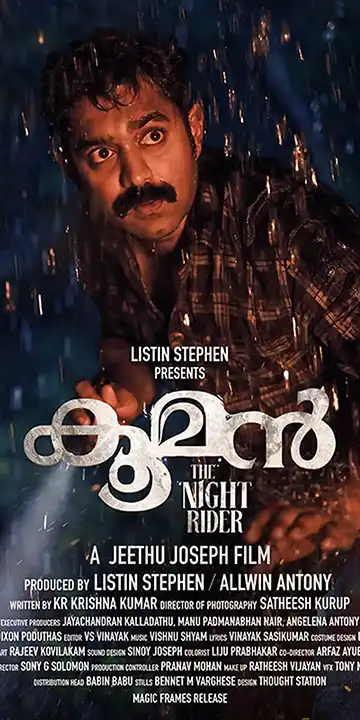
Kooman
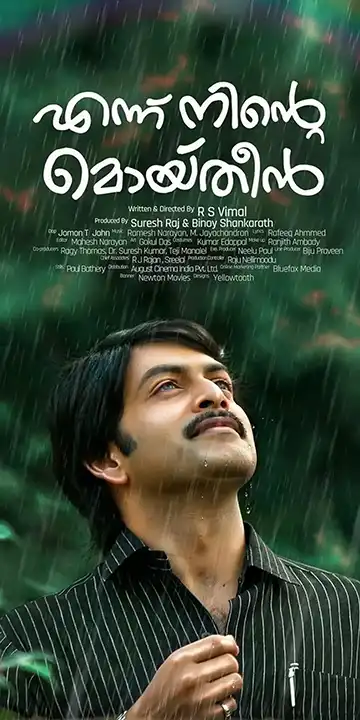
Ennu Ninte Moitheen
Ennu Swantham Punyalan
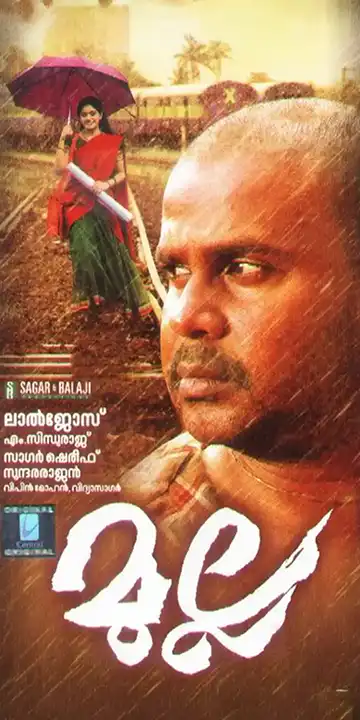
Mulla
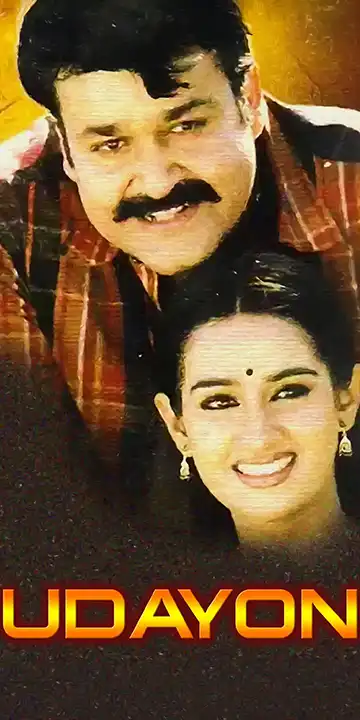
Udayon
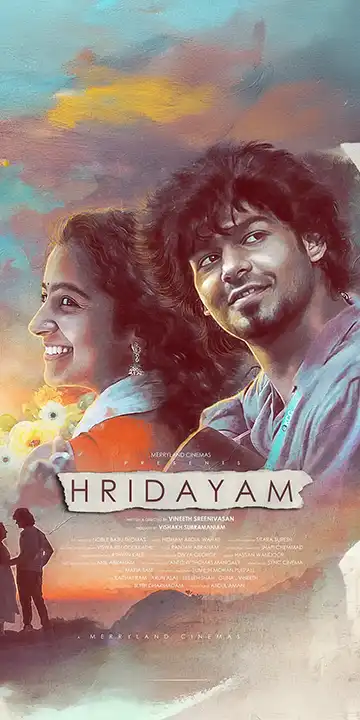
Hridyam
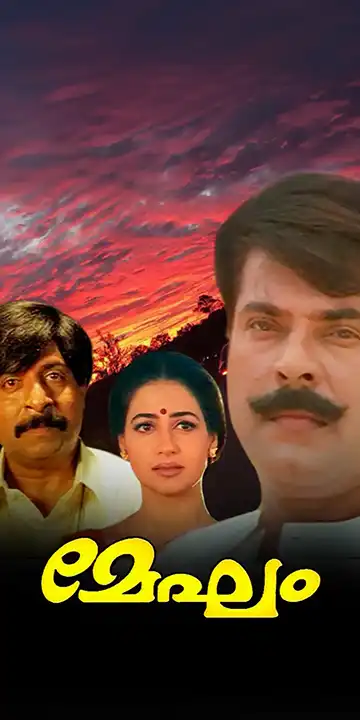
Megham
One of the most recognisable films associated with Kollengode is Odiyan. The film drew heavily from the folklore-rich atmosphere of Palakkad’s rural landscape, using the region’s fields, old pathways, temple spaces, and mist-laden surroundings to create a world suspended between myth and memory. Kollengode’s quieter rural textures gave Odiyan much of its visual authenticity.
The region has also appeared in films such as Kaliyattam, where the cultural landscape of Palakkad blended naturally with the emotional intensity of the narrative. Aan Alaralodalaral used the rustic surroundings and village atmosphere to ground its humour and relationships in recognisable rural life.
In more contemporary cinema, Hridayam captured portions of the Palakkad region’s softer visual rhythms; open skies, roads cutting through greenery, and the understated emotional warmth that the landscape often brings to screen. Vettam, too, drew from the visual familiarity of Kerala’s countryside landscapes, including stretches associated with the Kollengode region.
Tamil cinema has also found strong visual possibilities here. Minnale used parts of Palakkad’s border landscapes for its softer romantic visual language, while Winner tapped into the openness and rural expanses characteristic of the region.
What makes Kollengode especially cinematic is not spectacle, but texture. The landscape changes subtly across seasons. During monsoon months, the fields turn intensely green while rivers and canals swell with rainwater, giving the terrain a rich visual vibrancy. In summer, the earth softens into muted browns and golds, creating a more restrained and rustic atmosphere. Dawn often arrives wrapped in low mist drifting down from the Ghats, while evenings settle slowly across the fields in warm amber light.
The cultural overlap between Kerala and Tamil Nadu adds another layer to the region’s adaptability. Language, architecture, agricultural patterns, and everyday life blend seamlessly across the border landscape, allowing filmmakers to use Kollengode convincingly for stories rooted in either cultural setting.
Yet what ultimately distinguishes Kollengode is authenticity. The farms are active, the canals functional, and village life continues without performance. Nothing here feels constructed for cinema, which is precisely why cinema works so naturally here.
Kollengode does not demand attention dramatically. It settles into the frame quietly; and remains there long after the scene ends.
How to Reach
By Road: Palakkad KSRTC Bus Stand, about 27 km away
By Flight: Coimbatore International Airport, about 83 km away | Cochin International Airport, about 107 km away
By Rail: Palakkad Railway Station, about 32 km away
Contact
West Fort Road, Palakkad-678001
+91 491 253 8996
info@dtpcpalakkad.com
Popular Movies Shot at This Location




Photos


