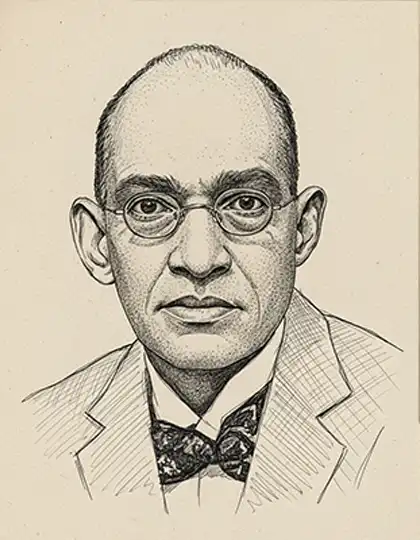
C. Krishnan, famously known as Mithavadi Krishnan, was a brilliant editor and social worker dedicated to implementing Narayana Guru's philosophies. His newspaper, ‘Mithavadi’,served as a powerful instrument in the fight to reclaim rights for Kerala's lower-caste communities, guided by Guru’s motto: ‘Liberate yourselves through education’.
Krishnan actively championed social reform. He notably led the effort to remove the 'Thindal Palaka' (untouchability board) on Thali Road in Kozhikode, which restricted the movement of the Thiya community. Alongside Sahodaran Ayyappan, he worked to halt the 'Kozhi Vettu’' (chicken sacrifice) at the Kodungalloor temple. Possessing a personality marked by high ideals, a strong desire for service, and exceptional intellectual courage, Krishnan held unwavering faith and respect for Guru, despite his personal lack of belief in religious rituals.
Recognizing the newspaper as the most effective tool against social evils, he took on the editorship of 'Kerala Sanchari'. He also independently ran a Sanskrit school in Kozhikode called 'Balaprabodhini'. A staunch Guru disciple, C. Krishnan embraced Buddhism, viewing its principles as his life's vow.
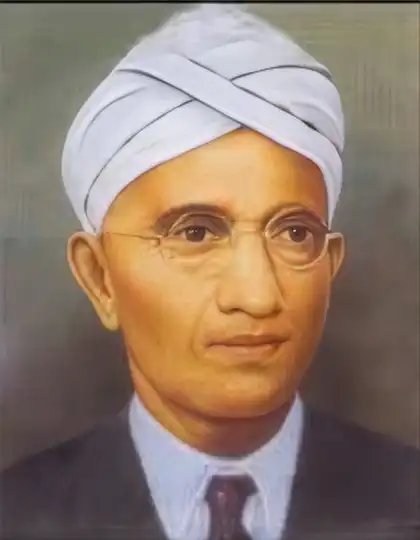
Moorkoth Kumaran, an ardent disciple of Narayana Guru, dedicated his life to propagating Guru's ideals, notably demonstrating his devotion by installing a metal statue at the Jagannatha Temple in Thalassery. He made immense contributions to early Malayalam journalism, working as an editor for publications such as Kerala Sanchari, Kesari, Kerala Chintamani, and Atmadoshini, which provided him opportunities to collaborate with S.N.D.P. Yogam and Kumaran Asan.
Initially drawn to Buddhism due to the flaws in the Hindu priesthood, he later firmly adhered to Hinduism following Guru's counsel. His attraction to Guru's ideals began during his time with the Brahmavidya Sangam. Kumaran actively opposed evil customs and superstitions prevalent in North Malabar and was instrumental in securing temple entry for Dalits at the Jagannatha Temple.
A maverick in literature, he wrote and published Guru's biography in two parts. His creative scope was vast, encompassing poetry, playwriting, short stories, and literary criticism, securing him an undeniable place among the early pioneers of Malayalam narrative literature. Moorkoth Kumaran tirelessly worked throughout his life to propagate Guru's messages both within and outside Kerala.


