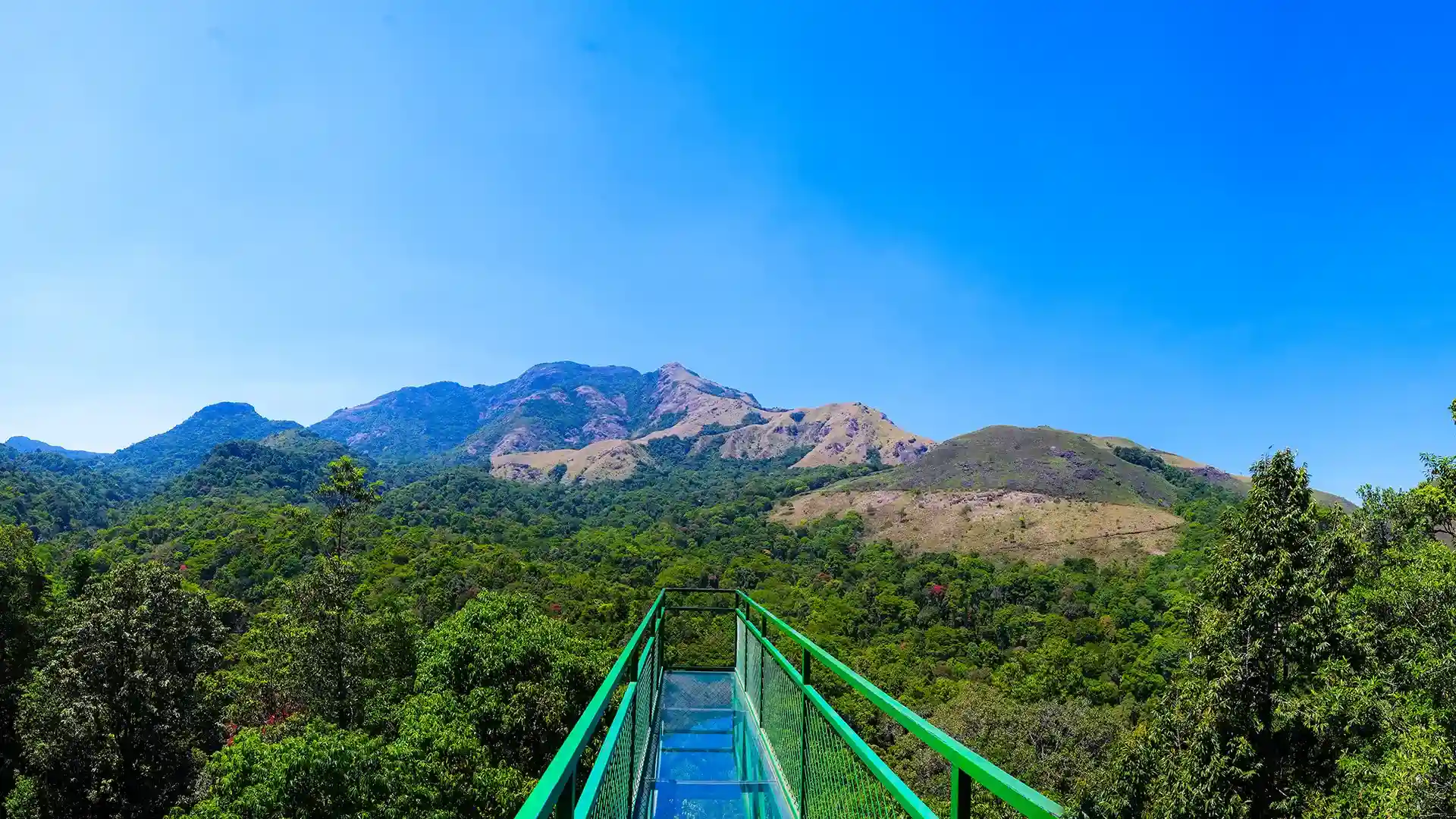
Thollayiram Kandi is one of those rare high-altitude landscapes that feels vast the moment you arrive. Known for its sweeping grasslands and long, uninterrupted hill views, this mountaineering and trekking area sits high above the surrounding terrain, offering visibility that stretches for miles on clear days. Unlike forest-heavy treks, Thollayiram Kandi is mostly open terrain. Trees are sparse, which means the landscape unfolds fully in front of you rolling hills, distant ridges, deep valleys, and shifting skies all visible at once.
The openness of the land is what defines the experience here. There is a strong sense of scale and exposure that makes every step feel connected to the terrain. The ground is largely natural and uneven, shaped by wind, rain, and time rather than constructed pathways. This rawness gives Thollayiram Kandi its character. It feels less like a marked tourist trail and more like walking through a vibrant, ever changing landscape. For trekkers and mountaineering enthusiasts, this creates a powerful sense of freedom, but it also demands awareness, preparation, and respect for changing conditions.
Thollayiram Kandi is located in the northern part of Wayanad District, an area known for its highlands, plantations, and expansive natural views. Access is possible by road up to the base area, from where the trekking and mountaineering route begins. The final stretch is typically unpaved and may vary in condition depending on the season. Local guidance is often recommended, especially for first-time visitors, as the open terrain offers very few visual markers once the climb begins.
Kalpetta: 30 km
Mananthavady: 18 km
Morning to early afternoon is the preferred time, with early starts advised due to changing weather and visibility.
Ideally, the trek lasts 4 to 6 hours.
Advance booking is advised, particularly for safety reasons and easier navigation. Due to the open nature of the landscape and limited shade or shelter, organized entry and local coordination help ensure a smoother and safer experience. During peak season, slots may be regulated to manage environmental impact and visitor flow.
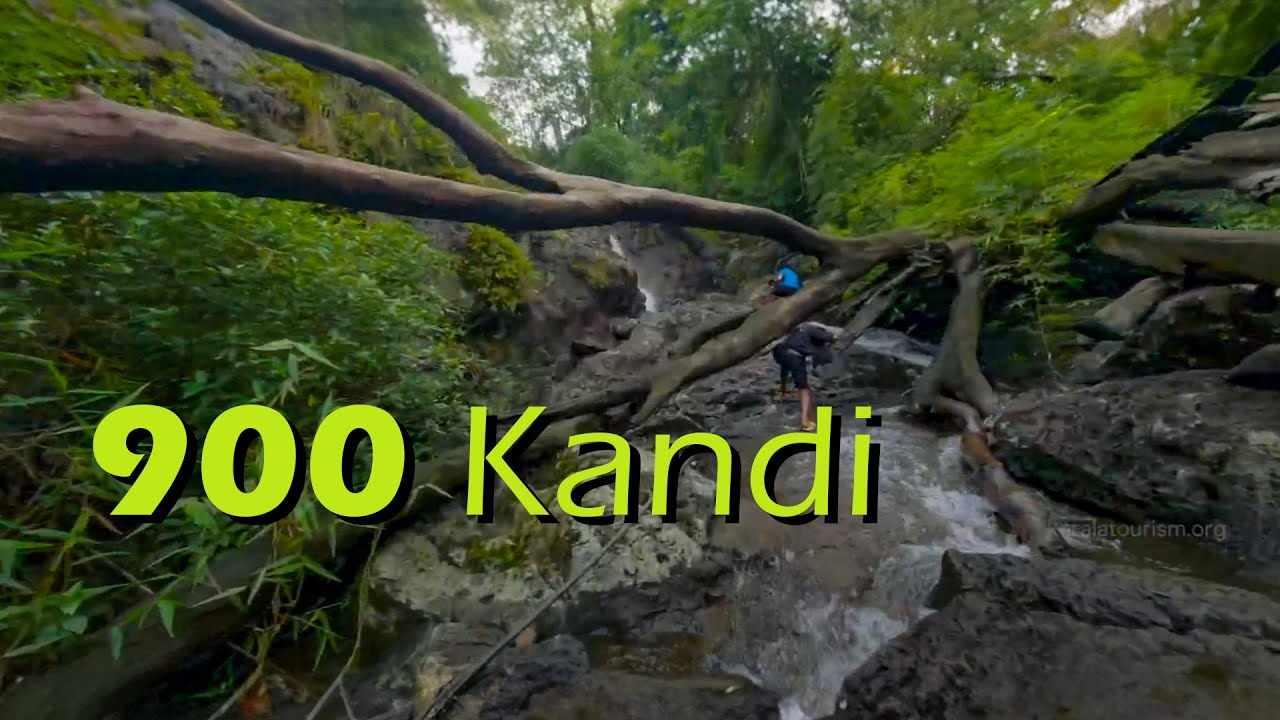
The terrain is tricky and the trek falls under the Medium to Hard levels.
The relatively dry season from October to January is ideal for this trek. This is because of the changing weather conditions.
This trek will cost you anywhere from INR 500 – INR 1,000 per person.
Access may be restricted during certain seasons based on weather, trail conditions, or forest department regulations. Sun protection such as caps, sunscreen, and protective clothing is strongly recommended. Entry may be limited or temporarily closed during extreme weather conditions to ensure visitor safety.
This location is ideal for wide landscape, panoramic, and long-distance photography. The open grasslands and layered hill views create strong visual depth and scale, while early morning light and shifting cloud cover add a more dramatic quality to the scene. Wide-angle lenses work particularly well in capturing the terrain, and tripods can be useful for steady landscape and panoramic shots. Drone usage, however, is subject to local regulations and prior permissions, and should be confirmed in advance.
The trails run across open hill terrain, leading through vast grasslands with uninterrupted views. Along the way, multiple natural viewpoints offer sweeping perspectives of the surrounding hills and valleys. With no built structures or artificial platforms, the setting retains a raw and immersive quality. The experience here is shaped by the landscape itself, with a focus on space, openness, and natural scale rather than amenities.
Thollayiram Kandi is highly exposed to changing weather conditions. There are very few trees or shaded sections, offering limited protection from the sun, wind, or sudden rain, so it is advisable to carry essentials such as an umbrella or appropriate protective gear. Visitors are advised to carry sufficient drinking water at all times. Sun protection such as caps, sunscreen, and protective clothing is strongly recommended. Weather-appropriate clothing should be worn, as conditions can change rapidly.